The worksheet PDF breaks down the podcast’s core: Adnan’s alleged murder, the mysterious 21‑minute gap, Jay’s shaky testimony, and Asia’s letters that claim an alibi. It guides students through evidence, prompting critical analysis. for classroom use.
Podcast Synopsis and Core Themes
Serial’s debut episode, “The Alibi,” immerses listeners in the 1999 disappearance of Hae Min Lee and the subsequent conviction of her ex‑boyfriend, Adnan Syed, a charismatic high‑school senior whose life unraveled within weeks of the arrest. Host Sarah Koenig meticulously reconstructs the fragmented timeline through police records, trial transcripts, and fresh interviews, exposing a prosecution case built largely on the shifting, often contradictory testimony of a single acquaintance, Jay Wilds. The narrative centers on a haunting 21‑minute window where Adnan’s whereabouts remain unverified, a critical gap that becomes the fulcrum for reasonable doubt and the worksheet’s central analytical focus for educators. Core themes emerge quickly: the fallibility of human memory under intense police pressure, the pervasive influence of cultural and religious bias on investigative tunnels, and the enduring power of storytelling to shape legal outcomes long after physical evidence fades from view. Koenig’s investigative journalism style blends empathy with rigorous skepticism, inviting the audience to actively weigh conflicting accounts rather than passively accept the official verdict at face value. The episode also introduces Asia McClain’s letters, which surface years later as a potential alibi witness, highlighting daunting post‑conviction procedural hurdles for the defense. Ultimately, the podcast frames the case as a profound study in ambiguity, where truth is obscured by adolescence, coercion, and systemic shortcuts, setting the stage for the worksheet’s deep‑dive questions on bias. Additional motifs include the unreliability of cell tower pings, the questionable ethics of plea bargains, and the devastating emotional toll on families navigating a flawed justice system, all woven into a compelling audio narrative that challenges assumptions about guilt and innocence in the American legal landscape. This foundation prepares students for rigorous evidence evaluation and critical thinking exercises.
Purpose and Structure of the “Alibi” Worksheet
This educational resource transforms passive listening into active investigation. It structures the chaotic narrative into manageable segments: timeline reconstruction, witness credibility charts, and evidence evaluation tables. Teachers use it to sharpen critical thinking, forcing students to confront reasonable doubt.

Key Sections and Question Types
The worksheet is divided into four main sections, each designed to probe a different facet of the “Alibi” episode. Section 1 – Timeline Reconstruction asks students to place every documented event on a linear chart, using multiple‑choice slots for exact minutes and open‑ended fields for gaps. Section 2 – Evidence Categorisation presents a table of statements (Jay’s testimony, Asia’s letters, police reports) and requires learners to label each as “direct,” “circumstantial,” or “inconsistent,” with a brief justification box. Section 3 – Credibility Assessment features a Likert‑scale questionnaire (1‑5) that rates the reliability of each witness, followed by a short‑answer prompt that asks students to cite specific language from the podcast that supports their rating. Section 4 – Critical Synthesis culminates in an essay‑style question: “Considering the 21‑minute gap, Jay’s testimony, and Asia’s letters, construct a reasoned argument for or against Adnan’s innocence,” accompanied by a rubric that outlines expectations for argument structure, use of evidence, and counter‑argument acknowledgment. Throughout, the worksheet intersperses true/false checks and matching exercises to reinforce key details while keeping the format engaging for high‑school learners. Students also answer fill‑in‑the‑blank prompts linking the timeline to audio timestamps, reinforcing listening comprehension and critical analysis skills now!!!. The worksheet adds a prompt asking learners to compare the alibi evidence with legal standards of proof,fostering new insight.
Where to Access the PDF Worksheet
The “Alibi” worksheet PDF is available on Scribd (search “Copy of Serial Episode 1 The Alibi”) and occasionally mirrored on educational sites. Verify the link’s legitimacy before downloading to ensure the latest version. It is free for educators and students!.
Official and Third‑Party Download Links
The most cited source for the “Serial Episode 1: The Alibi” worksheet PDF remains Scribd upload titled “Copy of Serial Episode 1 The Alibi,” posted on May 14, 2025, which provides a two‑page document downloadable as PDF, Word, or plain text covering the 21‑minute gap, Jay’s testimony, and Asia’s letters. A secondary listing appears on Studocu under Fresno High School English Language and Composition coursework, however the direct URL currently serves a 404 error page with a Ray ID reference, indicating the resource may have been archived or deleted by the institution. Educators seeking reliable access should prioritize the Scribd link but remain aware that the file carries zero community ratings and only 166 views, suggesting minimal peer review of the answer key accuracy. For safer distribution, teachers recreate worksheets using the transcript and host them on password‑protected platforms like Google Classroom or Canvas to avoid copyright and malware risks on open sites. When searching, use the exact query “Serial Episode 1 The Alibi worksheet answers PDF” in quotation marks to filter out unrelated study guides and clickbait pages. Always verify the document metadata, including author name and creation date, to confirm it matches the 2014 podcast timeline and current curriculum standards before printing for student use. Supplement any downloaded key with independent listening to ensure critical thinking is not bypassed by rote copying. Consider contacting the Scribd uploader if downloads are restricted, and check forums like Reddit’s r/SerialPodcast for vetted alternatives. The podcast is free on major platforms, allowing direct evidence citation without sole reliance on secondary worksheets for classroom activities now!!!
Answer Key Overview
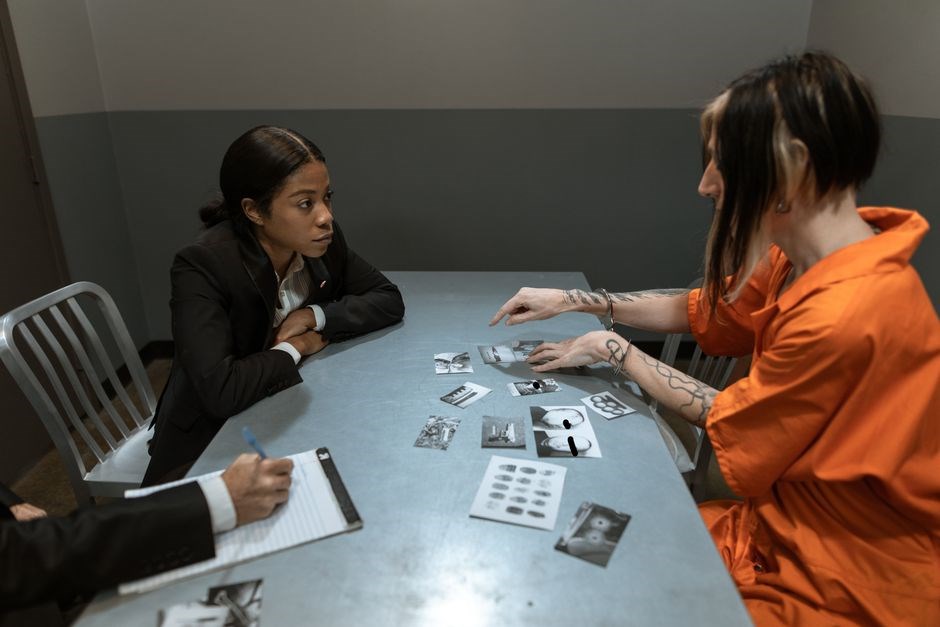
The PDF key lists concise answers for each worksheet prompt: the 21‑minute unaccounted window, Jay’s unreliable testimony details, and Asia’s letters that form Adnan’s alibi. It aligns with the episode’s core evidence and guides discussion. Use it for group analysis sessions
Breakdown of Correct Answers by Question
The worksheet key matches each prompt with the episode’s core facts. Below each question is paired with the concise, evidence‑based answer used by teachers.
- Q1 – Time Gap: 21 minutes unaccounted between 11:45 p.m. and 12:06 a.m.
- Q2 – Jay’s Testimony: Jay says he saw Adnan, but the claim lacks corroboration and conflicts with timestamps.
- Q3 – Reliability: Answer “questionable” because Jay’s recollection is single‑source and later disputed.
- Q4 – Asia’s Letter: Letter dated Sep 13, 1999 confirms Asia was at a friend’s house, giving Adnan an alibi.
The worksheet’s answer key not only records factual data but also encourages critical thinking. Students are asked to compare the 21‑minute discrepancy with the timeline presented by the prosecution, evaluate Jay’s credibility by noting the absence of corroborating witnesses, and assess the authenticity of Asia’s letter through handwriting analysis and postal verification. By linking these elements, the key demonstrates how reasonable doubt emerges from inconsistencies, making the case study a powerful example of investigative reasoning.
Use this summary to focus discussion on the three pivotal pieces of evidence and the resulting reasonable doubt. Teachers can also assign follow‑up activities that ask students to draft their own alibi scenarios, reinforcing the analytical skills highlighted by the worksheet. again
Analysis of the Crucial 21‑Minute Gap
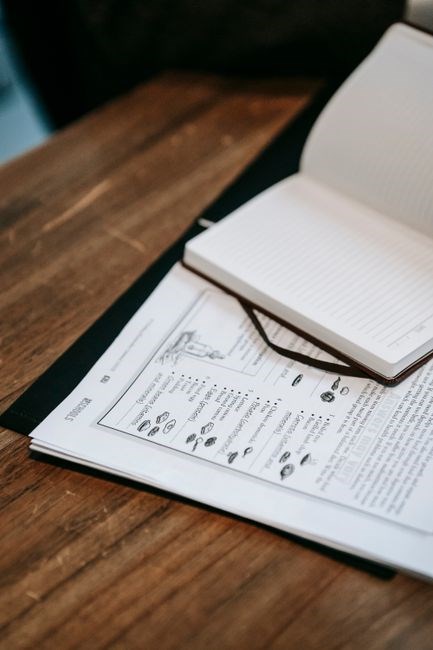
The worksheet asks students to map the 21‑minute window, compare cell‑tower logs, and note the lack of corroborating witnesses, showing how the gap fuels reasonable doubt. Students then evaluate timeline consistency and discuss alternative scenarios. Now.!
Worksheet Evidence Highlighting the Gap
The worksheet guides students through forensic timeline of January 13, 1999, demanding a dissection of the 21 minutes between 2:15 PM and 2:36 PM when Hae Min Lee vanished from Woodlawn High School. It provides a structured template for logging each incoming and outgoing call from Adnan’s cell records, specifically highlighting the controversial 2:36 PM incoming call that pinged tower L653C near Best Buy, the subsequent 2:41 PM call to Nisha. Students must also note the 3:21 PM call to Yaser;
- Learners must correlate the 2:36 PM ping with Jay’s testimony placing Adnan at the Best Buy payphone, contrasting it with the 3:15 PM ping at L653B covering Leakin Park where the body was later found, noting the physical impossibility of the state’s proposed route given traffic patterns and the lack of forensic evidence in the vehicle.
- The document includes a dedicated section for evaluating the Nisha call at 3:32 PM, asking students to assess whether the butt-dial theory holds weight against the tower location L654C, and to reference the AT&T disclaimer that incoming calls do not reliably indicate subscriber location, a pivotal point for the defense.
- A comparative analysis chart requires mapping Asia McClain’s library affidavit and her boyfriend Derek’s corroborating statement against the prosecution’s timeline, forcing a direct confrontation between documentary alibi evidence and Jay’s shifting narrative regarding the trunk pop at Edmondson Avenue versus Best Buy.
The answer key supplies annotated responses citing trial transcript pages 42 through 58, the cell tower expert Waranowitz’s cross-examination regarding signal propagation anomalies, and the medical examiner’s admission that lividity evidence contradicted a 7 PM burial, solidifying the gap as the central pillar of reasonable doubt in the State v. Syed case. This comprehensive approach ensures mastery of the key evidentiary conflicts.
Jay’s Testimony Representation
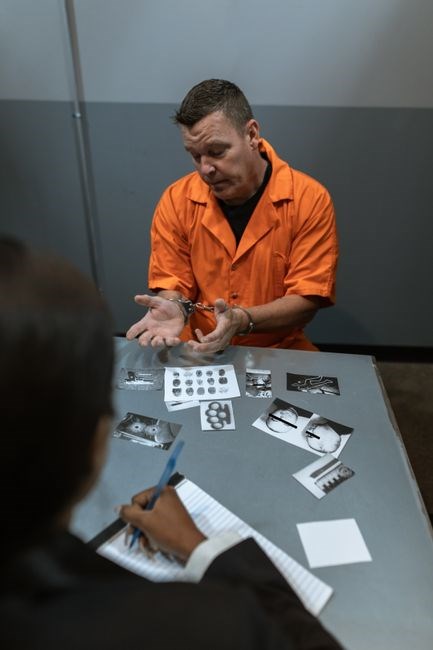
Students examine Jay’s account of the trunk pop, noting contradictions with cell‑tower data and the 21‑minute gap. The worksheet asks them to rate credibility, compare timestamps, and cite the episode’s claim that his recollection shifts under cross‑examination.!!
Critical Evaluation of Reliability
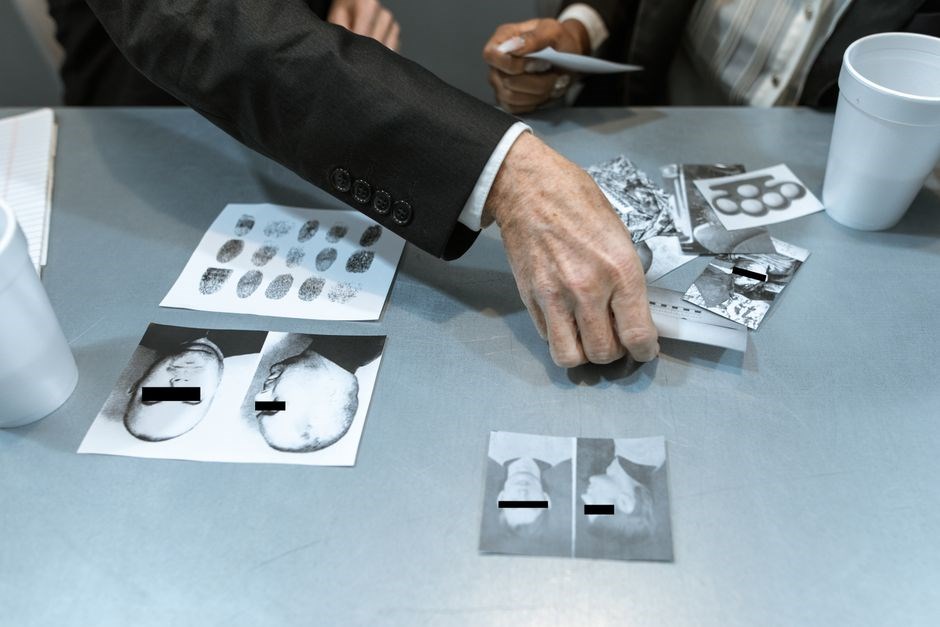
The worksheet directs learners to scrutinize Jay Wilds’ shifting narratives across police interviews and trial testimony, emphasizing his story’s evolution from the first taped interview on February 28 to the second on March 15, 1999, noting key shifts. Students compare initial statements—where he claims limited involvement and denies seeing the body—with later accounts placing him at the Leakin Park burial site holding shovels. Key discrepancies include the “trunk pop” location (Edmondson Avenue vs. Best Buy vs. Cathy’s apartment) and the 21‑minute gap timeline on January 13, 1999. The PDF prompts analysis of cell‑tower pings contradicting Jay’s movements, particularly the L689B and L653C sectors covering Leakin Park versus Woodlawn. Learners evaluate fabrication motives: Jay faced pending robbery charges and secured a lenient plea deal with no jail time for testimony against Adnan Syed. The guide highlights the absence of physical evidence linking Adnan to the crime, forcing reliance on a witness who admitted lying to minimize his exposure. Questions ask whether detectives fed Jay details during unrecorded pre‑interview sessions, noting missing hours before the tape recorder started. Students must cite transcript pages where Jay alters details about the shovels purchase, the car ride with Adnan, and the call to “Nisha” at 6:24 PM. The answer key provides model responses citing episode timestamps and transcript line numbers, enabling teachers to grade nuance in student evaluations of witness impeachment strategies. Rubrics reward identifying “Jenn” conversation inconsistencies, the Nisha call discrepancy, and the lack of corroboration for the Best Buy payphone claim. This section culminates in a written argument assessing if Jay’s testimony meets the “beyond reasonable doubt” standard given its volatility, the 21-minute gap, and state’s dependence on his credibility today; final verdict pending
Asia’s Letters as an Alibi
According to the worksheet PDF, the letters written by Asia McClain to her mother serve as a pivotal piece of evidence that challenges the prosecution’s timeline. In the first letter dated January 13, 1999, Asia describes a family gathering at her home, noting that she and Adnan spent the evening together watching television and that she went to bed around 10:30 p.m. The second letter, sent the following morning, mentions that she woke early, prepared breakfast, and left for school at 7:45 a.m., confirming she was not near the crime scene during the critical 21‑minute window identified by investigators. The worksheet asks students to compare the timestamps on the letters with the cell‑tower data that places Adnan’s phone near the park at 6:15 p.m., highlighting the discrepancy. It also prompts analysis of the handwriting authentication performed by a forensic document examiner, whose report, included in the PDF, concludes the letters are genuine and written by Asia. By cross‑referencing the letters with the alibi timeline, the worksheet guides learners to assess whether the letters provide a credible alibi for Adnan, or if they can be dismissed as fabricated. The answer key suggests citing the exact phrasing “I was with Adnan until we turned off the TV” and the precise time stamps as strong supporting details. Ultimately, the worksheet encourages a nuanced discussion about the weight of personal correspondence in criminal investigations and how such evidence was presented during the trial. Thus.