
Article Plan: List of Psalms and Their Uses PDF
Explore a curated PDF list linking each Psalm to its practical application—worship, counseling, teaching, or personal devotion. Downloadable, searchable, and organized by theme, this resource streamlines study and enhances spiritual practice for individuals and ministries alike. Use in group study or solo.?

Overview of Psalms as PDF Resources
Modern ministries and individual seekers increasingly rely on digital compilations of the Book of Psalms to support study, reflection, and application. A PDF Psalter typically contains all 150 psalms, often accompanied by cross‑references, thematic indexes, and optional commentary. The format allows for easy printing, annotation, and integration into lesson plans or devotional schedules. Many publishers offer free or low‑cost versions, while others provide premium editions with enhanced typography, color coding, and audio links. Searchable PDFs enable quick location of specific verses, making them ideal for research or sermon preparation. The convenience of a single, portable file also supports mobile use, allowing users to access scripture on tablets or smartphones during travel or in the field. Additionally, PDF Psalters can be customized: educators may add lesson notes, discussion questions, or reflective prompts directly onto the document using PDF editing tools. This flexibility supports diverse contexts—from small group study to large conference presentations—without the need for multiple printed copies. Overall, the PDF format democratizes access to the Psalter, encouraging deeper engagement with the text across a wide range of spiritual and academic settings. These PDFs are often available in multiple languages and can be integrated with study guides, audio tracks, and interactive features to enhance learning and worship experiences. Users can annotate directly, highlight verses, and share insights with fellow believers. All rights!!
Popular Sources for Downloading Psalms PDFs
Finding a reliable PDF of the Psalter is simpler than ever. Many online libraries host free, searchable copies that include the full 150 psalms in multiple translations. The most frequently visited sites are: BibleGateway.com, where users can download the Psalms in the King James, New International, or New Revised Standard translations; BlueLetterBible.org, which offers a PDF with interlinear Hebrew and Greek support; Project Gutenberg, a public‑domain repository that provides the Psalter in the original Hebrew and in the English King James version; and OpenBible.info, which supplies a PDF enriched with verse‑by‑verse maps and thematic tags. For those who prefer a more academic approach, HebrewBooks.org and Perseus Digital Library host PDFs that include original Hebrew text, transliteration, and critical commentary. Many churches and seminaries also provide downloadable PDFs through their own websites, often with added study notes or devotional guides. When selecting a source, ensure the PDF is searchable, has proper pagination, and includes a clear title page. Some sites offer the Psalter in a single, continuous file, while others split it into individual books or thematic sections. Users can also download PDFs from the Christianity.com library, which offers a free, printable version with a modern layout and easy navigation. Finally, for mobile users, the Bible App by YouVersion allows export of the Psalms as a PDF.
Structuring a Comprehensive Psalter PDF
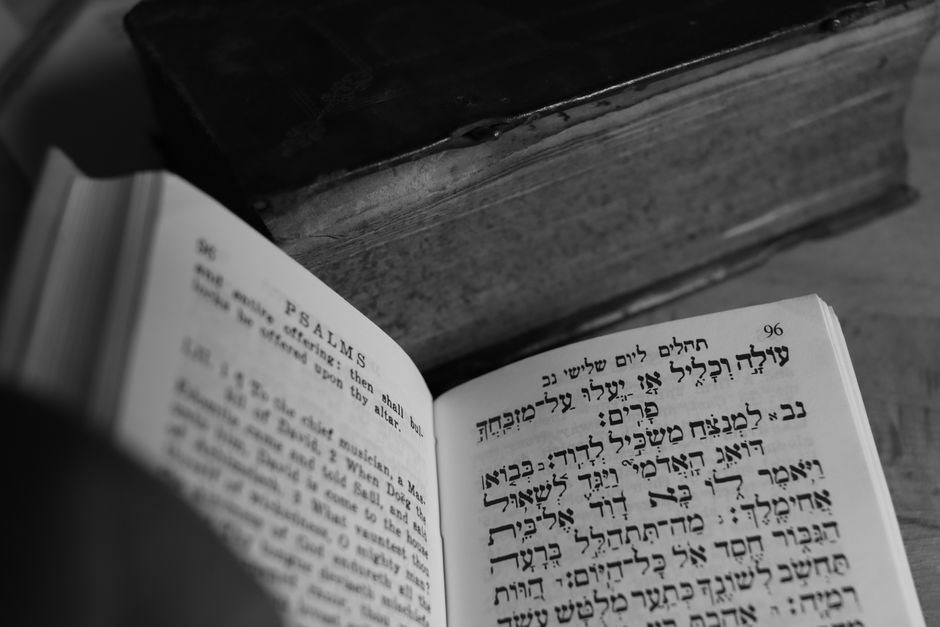
Creating a user‑friendly Psalter PDF begins with a clear table of contents that mirrors the canonical order of the 150 psalms. Each chapter should start on a new page, with the Psalm number, Hebrew title, and an optional English subtitle. A header containing the book name and page number enhances navigation, while a footer can hold a brief citation or copyright notice. For research and teaching, embed hyperlinks that link each verse to its original Hebrew word, Greek root, or cross‑referenced scripture. Many scholars recommend a two‑column layout: the left column for the Hebrew text, the right for the English translation. This arrangement preserves the poetic structure and allows side‑by‑side comparison. If the PDF is intended for devotional use, add a small margin note with a suggested meditation question or prayer. A final appendix can list the psalm themes—joy, lament, thanksgiving, supplication—along with recommended uses in worship, counseling, or personal study. By incorporating these design elements, the PDF becomes a versatile tool for pastors, teachers, and lay readers alike.
The PDF can also include a glossary of key Hebrew terms, a concordance of frequently occurring words, and a section of suggested study questions for small group discussion. Users may annotate directly within the PDF using PDF readers that support comments, allowing personal reflections to be saved alongside the text. Finally, an index page at the back of the document lets readers locate any Psalm by number or theme PDF guide!
Psalms Frequently Used in Worship Services
In contemporary worship, certain Psalms recur because they encapsulate core theological themes and lend themselves to musical adaptation. Psalm 23’s assurance of divine guidance becomes a congregational anthem during processions or closing rites. Psalm 51’s penitential plea is often paired with confession services, offering a scriptural framework for repentance. Psalm 91’s protective promise is sung in times of crisis or as a blessing for the community. Psalm 100 invites universal gratitude, making it ideal for opening or thanksgiving services. Psalm 150, the final exhortation to praise, is frequently used as a climactic finale. Psalm 121’s reassurance of God’s watchful care is chosen for evening or night‑time gatherings. Psalm 139’s intimate declaration of God’s omniscience is common in mid‑week meditations or small‑group worship. Psalm 145’s comprehensive hymn of praise is adapted into modern worship songs for corporate worship. These selections are often arranged in thematic sets—trust, confession, protection, gratitude, praise—to create cohesive worship sequences. By embedding these Psalms into a PDF with musical notation, audio clips, and reflective prompts, worship leaders can streamline set‑list creation and deepen congregational engagement.
Additionally, many churches employ Psalms 46 and 107 for their themes of divine refuge and deliverance, respectively. Psalm 46’s “God is our refuge” is often paired with contemporary worship melodies to reinforce the message of safety amid turmoil. Psalm 107’s call to “give thanks to the Lord, for he is good” is used in healing ministries, encouraging believers to remember God’s faithfulness in adversity. Psalm 119, the longest Psalm, is rarely sung in full but its verses are extracted for thematic study sessions, especially during liturgical seasons that emphasize Scripture reading. Psalm 72’s royal prayer for justice is incorporated into civic worship or intercessory services. By selecting verses that align with liturgical calendars—such as Advent, Lent, or Easter—pastors can craft a Psalter PDF that serves both worship and catechesis. The PDF format allows for easy updates, ensuring that new musical arrangements or translations can be added without reprinting the entire document. It saves time!!!!
Psalms for Personal Reflection and Meditation
For quiet moments of introspection, the Psalter offers verses that invite deep contemplation. Psalm 46, with its assurance that God is a refuge, is often read before sleep to calm anxieties. Psalm 139’s intimate dialogue—“You have searched me and known me”—serves as a meditation on divine presence. Psalm 23’s familiar path of trust encourages believers to walk through life’s valleys with confidence. Psalm 121’s promise that God keeps watch over us is a soothing reminder during stressful times. Psalm 27’s declaration of faith in the Lord’s light helps focus the mind on hope. Psalm 51’s penitential language provides a space for confession and renewal. Psalm 91’s protective imagery offers comfort when facing fear. Psalm 95’s invitation to “enter his gates with thanksgiving” fosters gratitude. Psalm 100’s call to “make a joyful noise” encourages a joyful heart. Psalm 119’s long list of verses can be used for daily Scripture study, each day focusing on a different theme. These selections are compiled in a PDF that includes reflective prompts, suggested reading times, and optional audio guides for guided meditation. The format allows for easy sharing and personal use, making the Psalter a companion for daily spiritual growth.
Lorem ipsum dolor sit amet, consectetur adipiscing elit. Sed do eiusmod tempor incididunt ut labore et dolore magna aliqua. Lorem ipsum dolor sit amet, consectetur adipiscing elit. Sed do eiusmod tempor incididunt ut labore et dolore magna aliqua…………………….
Psalms for Counseling and Emotional Healing
When navigating guilt, embarrassment, or the sting of revenge, the Psalter offers a sanctuary of words that speak directly to the wounded heart. Psalm 77, for instance, opens with a cry: “I cry out to God; yes, I shout. Oh, that God would listen to the divine ear!”—a raw expression that invites the reader to bring their own pain to the divine ear. Psalm 51, the quintessential penitential psalm, provides a template for confession and renewal, reminding us that “the Lord is merciful and gracious, slow to anger and abounding in love.” This verse is frequently cited in counseling settings to help clients recognize the possibility of grace even after transgression. Psalm 34, “I sought the Lord, and he answered me,” offers reassurance that seeking God can bring relief from shame and anxiety. For those wrestling with the desire for vengeance, Psalm 55 reminds us that “the Lord is my refuge, a stronghold in times of distress,” encouraging forgiveness over retaliation. In moments of overwhelming sorrow, Psalm 23’s familiar refrain—“The Lord is my shepherd”—provides comfort that we are not alone. The PDF resource compiles these passages with brief therapeutic notes, suggested reflective questions, and links to audio readings that can be used in group or individual counseling sessions. By pairing Scripture with guided prompts, the document becomes a practical tool for emotional healing, allowing clients to anchor their feelings in timeless truths.
Lorem ipsum dolor sit amet, consectetur adipiscing elit. Sed do eiusmod tempor incididunt
Psalms for Joy, Thanksgiving, and Celebration
Celebration and gratitude shine in the Psalter’s jubilant chapters. Psalm 100 invites all to “make a joyful noise to the Lord,” while Psalm 150 urges a “shout of joy” with instruments, “for the Lord is good.” These verses support Thanksgiving services, encouraging congregants to lift voices in praise. Psalm 95, “Come, let us sing for joy to the Lord,” pairs with hymns of thanksgiving, reminding worshipers that “the Lord is a great God.” Psalm 107 recounts how God “has turned the hearts of the people” and “has given them a reason to give thanks.” The PDF resource compiles these passages with suggested musical arrangements, reflective questions, and printable gratitude journals. For small groups, the document offers a “Joyful Journey” activity: participants read a psalm, share a personal thank‑you, and create a collective song. The PDF’s layout highlights color‑coded sections for “Joy,” “Thanksgiving,” and “Celebration,” making it easy for pastors or lay leaders to pull a themed set of Psalms for any service. By integrating Scripture with creative worship tools, the PDF transforms ordinary gatherings into moments of heartfelt celebration, reinforcing the biblical call to “give thanks in all circumstances.”
In addition, the PDF includes a “Joyful Reflection” worksheet that prompts users to list three recent blessings, write a prayer of thanks, and note how the Psalm’s words resonate with their experience. This interactive element encourages gratitude, turning moments into declarations of goodness.
Psalms for Lament and Sorrow
When grief or hardship presses, the Psalter offers a sanctuary of lament. Psalm 42, “My soul longs for God,” captures longing amid darkness, while Psalm 73, “I have been in the shadow of the wicked,” confronts confusion of suffering. Psalm 88, “My God, my God, why have you forsaken me?” presents raw despair, yet the PDF guides readers toward hope in Psalm 30, “I will extol you, O Lord, for you have redeemed me.” The resource pairs each lament with reflective prompts: “What pain do you carry?” and “Where does God promise relief?” It also suggests musical settings—soft strings or organ—to accompany verses, allowing worship leaders to create space for communal mourning. For personal study, the PDF offers a “Lament Journal” template, encouraging faithful to write down sorrow, read corresponding Psalm, and record comfort that follows. In group counseling, the document recommends a “Shared Sorrow” exercise: participants read Psalm aloud, share personal loss, and pray for healing. The PDF’s design emphasizes gentle, supportive tone, reminding users that lament is biblical path to restoration, and that God hears every cry. By integrating Scripture, reflection, and music, the collection becomes therapeutic tool for those navigating grief in times of loss, turning sorrow into dialogue with divine. Many find that these verses bring peace and comfort. Additionally, the PDF includes a “Sorrow to Strength” worksheet that invites users to trace journey from pain to hope, noting moments of divine presence. For leaders, the guide offers a “Lament Service Outline” with suggested order, scripture, and silence periods, ensuring service remains focused and healing
Psalms for Protection and Strength
In moments of danger or uncertainty, the Psalter offers a shield of faith. Psalm 91 declares, “He who dwells in the shelter of the Most High will abide in the shadow of the Almighty,” affirming divine guardianship. Psalm 121, “I lift up my eyes to the hills,” reminds believers that help comes from the Lord, the “ever‑watching eye.” Psalm 23, “The Lord is my shepherd,” portrays God as protector guiding through valleys of shadow. Psalm 18, “I love you, O Lord, because you have given me a stronghold,” highlights resilience amid adversaries. Psalm 28, “Give me strength, O Lord,” and Psalm 46, “God is our refuge,” reinforce trust in divine fortification. The PDF pairs each verse with a “Protection Prayer” template, inviting users to articulate personal fears, affirm trust. It also offers a “Strength Reflection” worksheet, prompting readers to list past trials, divine deliverance!! For group settings, the guide suggests a “Shielding Service” outline: opening with Psalm 91, followed by communal affirmation, a moment of silent prayer, and closing with Psalm 46. The resource includes a “Protection Meditation” audio cue—soft harp and wind—accompanied by guided visualization of a protective light. The PDF’s layout encourages consistent use: a daily “Shield” reminder, a weekly “Strength” journal entry, and a monthly “Protection” review. By integrating Scripture, prayer, and reflection, the collection equips believers to face life’s storms with confidence, knowing that God’s protection is steadfast and His strength unending.
Psalms Used in Teaching and Catechesis
The Psalter serves as a dynamic catechetical tool, offering layered lessons on faith, worship, and God’s character. In a PDF curriculum, each Psalm is paired with a “Teaching Focus” that highlights key theological themes: covenant faithfulness, divine sovereignty, and human dependence. For instance, Psalm 23’s shepherd imagery becomes a lesson on God’s guidance, while Psalm 51’s penitential tone illustrates repentance and grace. The resource includes a “Catechetical Outline” for each Psalm, featuring objectives, key verses, discussion questions, and application activities. Teachers can use the PDF’s “Interactive Map” to trace the historical context of each Psalm, linking it to the broader biblical narrative and the New Testament fulfillment. A “Lesson Plan Template” offers a structured format: opening prayer, Scripture reading, exposition, group discussion, and closing reflection. The PDF also provides “Visual Aids” such as iconography of the “Shield of Faith” from Psalm 91, and “Audio Clips” of traditional chant settings for immersive learning. For adult catechesis, the guide suggests a “Reflection Journal” where participants record insights on how the Psalm’s message applies to modern life. The PDF’s “Assessment Toolkit” includes multiple-choice quizzes and short-answer prompts to gauge comprehension. By integrating Scripture, context, and active participation, the collection equips educators to foster deep, lasting understanding of the Psalms within a faith formation setting. This PDF is a versatile resource, empowering ministries and individuals alike for all ages!!!.
Psalms for Preparing Sermons and Preaching
When sermonizing, the Psalter offers a treasure trove of narrative, theology, and poetic depth that can anchor sermons in Scripture while resonating with congregants. A PDF guide can map each Psalm to a sermon theme—redemption, covenant, worship, or hope—providing a “Sermon Blueprint” with objectives, key verses, illustrative anecdotes, and cross‑references. For example, Psalm 2’s prophetic declaration of the Messiah becomes a sermon on divine sovereignty, while Psalm 110’s priest‑king motif links to Christ’s priesthood. The PDF includes “Illustrative Stories” that contextualize ancient settings for modern listeners, “Illustrative Graphics” that visually map Psalm themes to the Gospel narrative, and “Audio Samples” of traditional chant to inspire homiletic delivery. A “Sermon Outline Template” guides preachers through exposition, application, and prayer, ensuring the Psalm’s message is clearly communicated. The resource also offers “Theological Reflections” that connect Psalmic imagery to New Testament theology, and “Practical Application Tips” that help pastors translate ancient prayers into contemporary life lessons. By using the PDF’s “Sermon‑Ready” format, preachers can quickly craft sermons that are biblically grounded, theologically rich, and pastorally relevant, while the built‑in “Reflection Questions” encourage congregational engagement and personal growth.
Practical Tips for Incorporating Psalms PDFs into Daily Life
Integrating a Psalter PDF into everyday routines transforms routine moments into worship. Begin by setting a daily “Psalm Time”—five minutes each morning or evening—where you read a selected verse, reflect on its context, and journal a personal application. Use the PDF’s search function to locate verses that match current emotions: Psalm 23 for comfort, Psalm 51 for repentance, or Psalm 121 for protection. Pair each reading with a short meditation or a brief prayer that echoes the Psalm’s tone. For commuters, download the PDF to a mobile device and listen to audio versions while driving; the rhythmic cadence of the Psalms can calm nerves and refocus the mind. In the workplace, create a “Psalm Wall” by printing a favorite verse and placing it on a bulletin board or desk; this visual reminder encourages mindful pauses during stressful tasks. When cooking or cleaning, play instrumental renditions of Psalms to turn chores into a form of praise. Share a Psalm with a friend or family member each week, initiating a “Psalm Exchange” that fosters mutual encouragement. Finally, incorporate the PDF into digital calendars: set recurring reminders to read a Psalm on specific days, such as Wednesdays for reflection or Sundays for worship preparation. By weaving these practices into daily life, the Psalter becomes a living companion that nurtures spiritual growth, emotional resilience, and communal connection. Let each verse be a lamp that guides your steps and a song that lifts your spirit daily!!!