
Russian piping tips charts in PDF format guide bakers through shapes like three‑petal, six‑petal, and multi‑opening tips, newcomplete with color codes and symbols. Popular kits ANSLYQA’s 166‑piece set and online tutorials from HowToCookThat and The Fig Jar help beginners master intricate buttercream flowers.
Definition and Historical Context
Russian piping tips trace their roots to 19th‑century Russian confectionery, where artisans emulated delicate lacework of floral arrangements. Over time, these tips became standardized shapes—three‑petal, six‑petal, and multi‑opening—designed to create specific textures in buttercream, fondant, and ganache. Modern bakers rely on PDF charts that catalog each tip by number, color code, and recommended application. These charts simplify learning, letting novices experiment with complex designs without memorizing geometry; The digital format supports quick updates, letting bakers incorporate trends like basketweave and leaf tips. Studying the progression from hand‑crafted tools to mass‑produced sets deepens appreciation for the artistry and precision of Russian piping. Whether a seasoned decorator or a kitchen enthusiast, a PDF chart is an indispensable reference, bridging centuries of technique with contemporary creativity. The chart includes a legend explaining color meanings—red for floral, blue for geometric, green for multi‑petal—and a key mapping numbers to tip models. Many bakers use it to plan elaborate cake toppers, designing bouquets of roses, lilies, and chrysanthemums that mirror a Russian imperial garden. The PDF also contains usage tips—recommended pressure, speed, and bag size for each tip—ensuring consistent results. By integrating historical context with practical instructions, the PDF preserves the legacy of Russian confectionery while empowering new creators. The evolution of Russian piping tips reflects broader culinary trends, where precision and aesthetic appeal converge. Each tip’s meticulous design lets decorators achieve detail once reserved for hand‑painted decorations. Studying the chart also offers insight into the cultural significance of floral motifs in Russian cuisine, where flowers symbolize celebration, prosperity, and artistic expression.
Common Tip Shapes and Their Uses
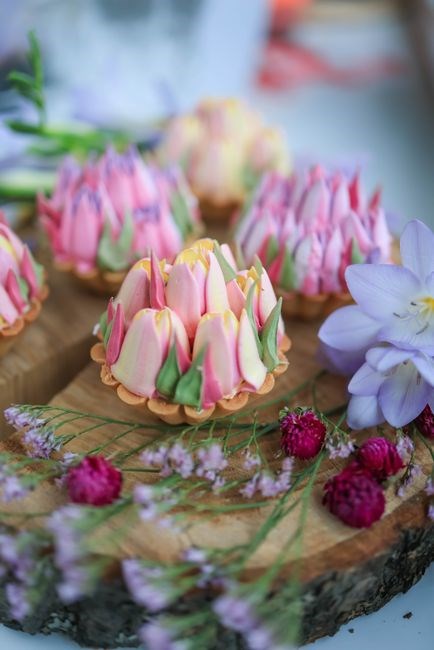
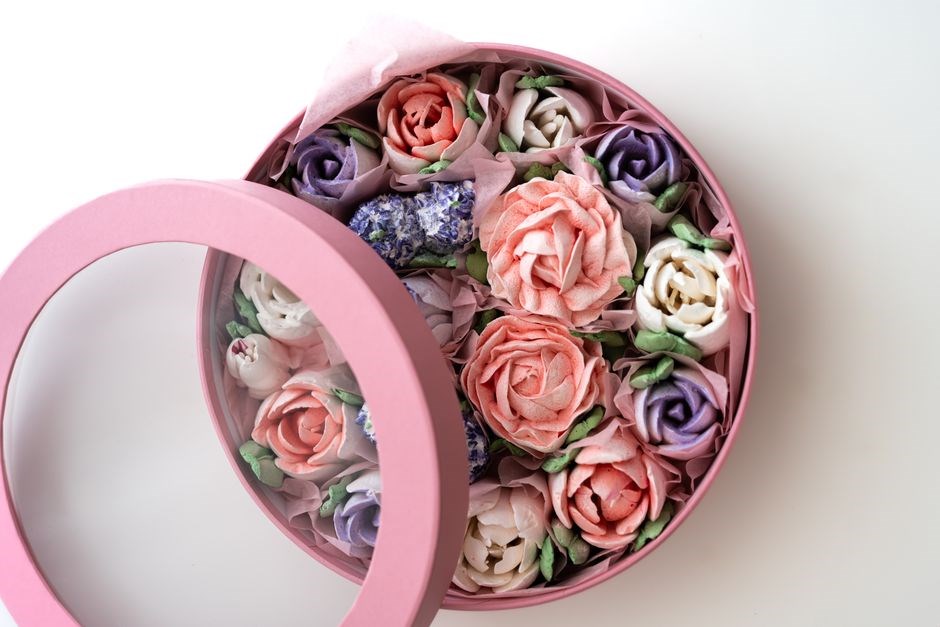
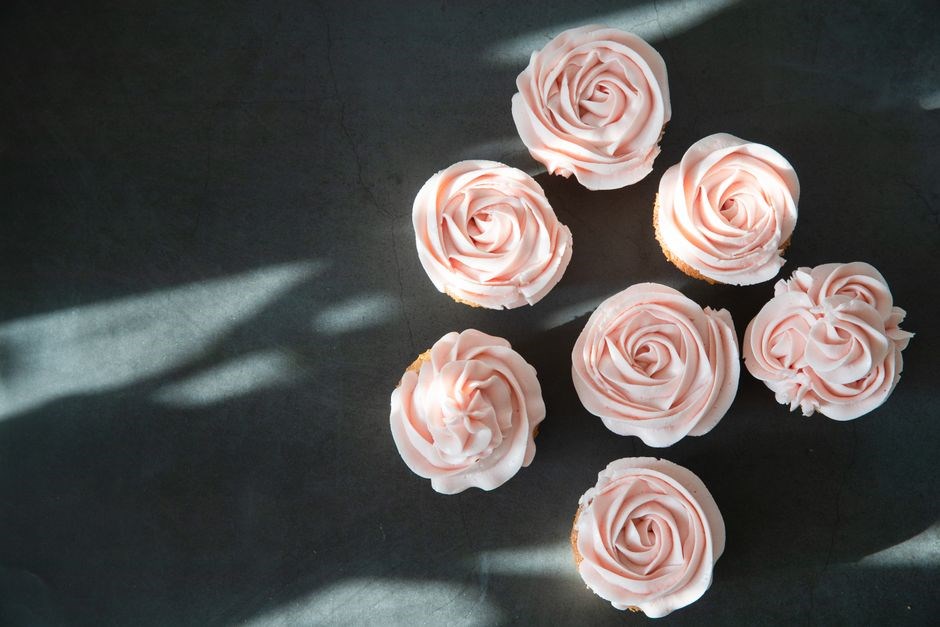
Three‑petal tips create soft, rounded petals, ideal for roses and tulips. Six‑petal tips offer sharper edges for lilies and peonies. Multi‑opening tips mimic grass or fur, perfect for foliage. Each shape is numbered in the PDF chart for quick reference. Tips color‑coded.
Three-Petal, Six-Petal, and Multi-Opening Tips
Three‑petal tips are common in Russian piping charts. They produce soft petals that blend smoothly, ideal for roses, tulips, and peonies. The tip’s opening is divided into three equal sections, each forming a petal when filled with buttercream. Six‑petal tips add complexity; the six openings create sharper, fuller look to larger flowers such as lilies or hydrangeas. When using a six‑petal tip, keep the filling pressure steady so the petals don’t split or merge. Multi‑opening tips mimic natural textures like grass, fur, or lace. These tips have many small openings that create a textured line when filled. They are useful for adding realistic foliage or background elements to a cake design. Each tip type is numbered in the PDF chart, and the chart includes color‑coded symbols indicating recommended filling consistency and bag pressure. By following the chart’s guidance, beginners can quickly learn which tip to use for a particular flower or decorative element, reducing trial and error and improving the finish of their creations. Practice steady flow with each tip daily every Use the chart’s color codes to adjust bag pressure for each tip, ensuring crisp uniform petals every
Chart Overview: Layout and Symbols
Russian piping tip charts are organized by tip number, shape, and color code. The PDF layout shows a grid of tip images, each labeled with a number and a symbol that indicates the icing consistency and pressure. Use the chart to match the tip to the design you want.!
Interpreting the Chart Symbols and Color Codes
When you begin piping, start by selecting the tip that matches the visual style you want. For example, a three‑petal tip with a small opening produces a delicate, flower‑like shape, while a six‑petal tip with a larger opening yields a fuller, more robust flower. The chart’s color coding helps you decide which icing thickness to use: a red‑coded tip is ideal for thick buttercream, whereas a blue‑coded tip works best with a medium‑consistency buttercream or ganache. If you’re working with a thin icing, switch to a green‑coded tip to avoid drips. The legend also indicates if a tip requires a higher pressure; these are marked with a bold “H” symbol. Practice by piping a single petal, then a full flower, adjusting pressure as needed.more
When you first load the PDF, zoom in on the legend to ensure you understand each icon before starting to pipe. The chart’s layout is divided into sections: tip numbers, shape descriptions, and color codes. A quick reference guide is included at the bottom, summarizing the most common symbols. For beginners, it’s helpful to print the chart on thick paper and keep it within reach during decorating sessions. This allows you to quickly glance at the tip you need and adjust your icing consistency on the fly. Remember to keep the piping bag filled to the appropriate level; too much icing can cause drips, while too little can result in uneven petals. Clean each tip after use to prevent clogging and maintain crisp edges. By mastering the chart’s symbols and color codes, you’ll be able to create a wide variety of professional‑looking decorations with confidence and precision. This chart also includes quick tips.

Popular Tips Highlighted in the Chart
Basketweave, leaf, and Russian flower tips dominate the PDF. The chart shows three‑petal, six‑petal, and multi‑opening designs, each color‑coded for icing thickness. Use the basketweave for textured borders, leaf for foliage accents, and Russian flower for elegant centerpieces. Try variations for your design.
Basketweave, Leaf, and Russian Flower Tips
Basketweave tips create a woven pattern on the surface of buttercream, ideal for borders and decorative edges. The tip’s multiple openings produce interlaced strands that mimic a basket weave. Leaf tips, with a single long opening, produce a smooth, flowing leaf shape that can be used for foliage accents or to outline flowers. Russian flower tips are the most complex, featuring multiple petals that radiate from a central point. They come in variations such as three‑petal, six‑petal, and multi‑opening designs, each producing a different floral effect. The chart’s color coding indicates the appropriate icing thickness for each tip, ensuring consistent results. When using the PDF, match the tip to the desired effect: use basketweave for textured borders, leaf for natural foliage, and Russian flower for detailed centerpieces. Practice by piping a test sheet to observe how the tip’s shape interacts with the icing. Adjust the pressure and speed to refine the look. The PDF also lists recommended brands and sets, such as the ANSLYQA 166‑piece kit, which includes these tips and a pattern chart. By mastering these three tip types, you can elevate any cake design from simple to sophisticated. For advanced users, the PDF includes a section on customizing tip shapes by combining openings and adjusting pressure, allowing for unique floral arrangements. The PDF’s layout uses symbols like a star for multi‑opening tips and a circle for single‑opening tips, helping bakers quickly identify the right tip for each design. This guide empowers decorators.
Downloading and Using the PDF Chart
Access the free PDF from the site or baker sites. Click “Download PDF,” save it, open it with a viewer. Print on high‑quality paper, trim edges, and use the chart’s symbols to match tips to icing thickness. Keep the PDF handy for quick reference during decorating.
Step-by-Step Guide to Access and Print the PDF
Open a browser and navigate to a trusted baking resource such as HowToCookThat or The Fig Jar, where the Russian piping tips chart PDF is hosted. 2. Locate the download link—often labeled “Download PDF” or “Free Chart.” 3. Click the link; the browser will prompt you to open or save the file. Choose “Save” and select a folder you can easily find later. 4. Once the file is downloaded, double‑click it to open with your PDF viewer. 5. Verify the chart displays correctly: check that all symbols, color codes, and tip names are legible. 6. Prepare to print: click the print icon, choose your printer, and set the page orientation to landscape if the chart is wide. 7. Adjust the scaling to 100% to preserve the original dimensions, ensuring the symbols match the actual tips. 8. Select “Print on both sides” if your printer supports duplex, which saves paper. 9. After printing, trim the edges with a ruler and craft knife for a clean look. 10. Store the printed chart in a clear sleeve or laminate it for repeated use. 11. Keep the digital PDF on your device for quick reference during decorating sessions. Finally, keep a sample sheet to test each tip before applying. Once you master the basics, layer multiple tips for depth and texture, masterpieces! Enjoy! .
Purchasing a Russian Piping Tips Set
When buying a Russian piping tips set, look for a kit set like ANSLYQA’s 166‑piece collection on Amazon, which includes tips, a pattern chart, and pastry bags. Ensure the set offers a variety of shapes—three‑petal, six‑petal, and multi to match the chart’s symbols!.
What to Look for: Quantity, Quality, and Accessories
When selecting a Russian piping tips set to pair with a PDF chart, start by evaluating the quantity of tips. A robust set should contain at least 30 distinct shapes, including three‑petal, six‑petal, multi‑opening, leaf, and basketweave varieties. Quantity matters because the chart’s symbols often cover a wide range of designs, and having enough tips ensures you can experiment without constantly swapping. Quality is equally critical; look for stainless‑steel or high‑grade materials that resist corrosion and retain their shape after repeated use. Smooth, rounded edges reduce the risk of tearing pastry bags, while a snug fit prevents leakage. Many premium sets, such as the ANSLYQA 166‑piece kit, feature a mix of durable materials and a built‑in pattern chart for quick reference. Accessories can elevate your decorating workflow. A set that includes a variety of pastry bags—both standard and wide‑mouth—allows you to match bag size to tip diameter for optimal flow. Some kits also supply a tip‑sizing tool, a small ruler, or a silicone mat to keep tips organized. Finally, consider the presence of a cleaning brush or a detachable tip holder; these accessories simplify maintenance and prolong tip life. By balancing quantity, quality, and accessories, you’ll have a versatile, reliable toolkit that complements the detailed PDF chart and empowers you to create stunning, intricate designs with confidence and ease. Whether you’re a novice or a seasoned pro, this chart and set become indispensable tools for flawless results today. With this chart and set, you can create professional‑looking floral designs that wow guests at any celebration soon. Start piping today and watch your creations come to life!!!
Tips for Beginners Using the Chart
Start by reviewing the chart’s color codes and practicing shapes like three‑petal and leaf tips. Keep icing, and test flow before decorating. Avoid over‑filling bags; clean tips after each use to keep them sharp. Try more complex patterns as confidence grows today.
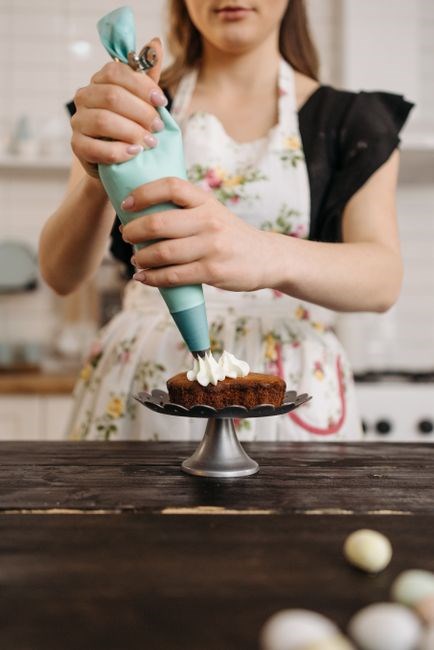
Begin by familiarizing yourself with the PDF chart’s color‑coded symbols; they indicate flow rates and tip shapes. Use a light‑weight piping bag and practice on a clean surface before applying to a cake. Keep the tip at a consistent 45‑degree angle and maintain steady pressure to avoid uneven petals.
Maintain a steady 45‑degree angle and apply consistent pressure. This prevents uneven petals and ensures smooth flow. Practice on parchment paper first; once you’re comfortable, move to a cake or cupcake liner for real‑world feel.
Over‑filling the bag is a frequent error; it causes drips and clogging. Fill to the chart’s recommended level, usually a 1/4‑inch rise. After each flower, rinse the tip with warm water to keep the openings clear and the finish bright.
Use a timer for 30‑second runs to train a steady hand. Record the time taken to complete a flower; if it’s too fast, slow down; if too slow, increase speed. Consistency in timing translates to uniform petal size and a professional look.
After each session, review the chart to spot patterns that need adjustment. If petals look uneven, tweak your grip or tip selection. The PDF’s step‑by‑step images help you visualize corrections, turning practice into precision.
Remember, mastering Russian piping tips is a journey that blends patience, precision, and practice. Keep your tools clean, experiment with different icing viscosities, and don’t hesitate to revisit the PDF chart whenever you’re unsure. With consistent effort, the once intimidating flower designs will become a natural extension of your creative expression. Enjoy :)!!!