
Understanding the Mustang Convertible Top System
The Mustang convertible top relies on a complex interplay of hydraulic and electric systems for seamless operation, but manual override is crucial when these fail.
Overview of Hydraulic and Electric Components
The Mustang convertible top’s functionality hinges on a sophisticated hydraulic system, powered electrically, that raises and lowers the soft top. Hydraulic cylinders provide the force, while an electric motor drives the pump. Crucially, a network of hydraulic lines distributes pressure to these cylinders.
The electric components include the motor, a relay system, and often a control module. These work in concert, responding to switch inputs from the driver. When issues arise – a dead battery or motor failure – understanding this system is key to safely initiating the manual override. Releasing hydraulic pressure is the first step, allowing for manual folding and securing of the top.
Safety Precautions Before Manual Operation
Prioritize safety when manually operating your Mustang’s convertible top. Ensure the vehicle is parked on a level surface with the engine off. Before attempting any manual adjustments, thoroughly inspect the top’s surrounding area for obstructions – debris can cause damage or injury.
Disconnecting the hydraulic pressure is vital; failing to do so could result in unexpected movement. Have a firm grip and be prepared for resistance during folding. Avoid forcing any mechanism. If significant resistance is encountered, reassess and consult a service manual. Protect your hands with gloves to prevent cuts or scrapes. Remember, manual operation requires physical effort and caution.

Locating the Manual Release Mechanisms
Multiple release points exist – an interior lever, a rear seat/trunk area release, and a latch handle near the interior mirror, all crucial for manual operation.
Identifying the Interior Release Lever
The interior release lever is your primary point of contact for initiating a manual closure. Typically, this lever is conveniently located within the driver’s or passenger’s side footwell area, though specific placement can vary slightly depending on the Mustang’s model year.
Visually, it often presents as a T-handle or a simple pull-lever, clearly marked to indicate its function – releasing the convertible top mechanism. Before attempting to operate it, ensure you understand its direction of pull or rotation. A firm, deliberate action is usually required to disengage the hydraulic system and prepare the top for manual folding.
Locating this lever is the first, vital step in regaining control when the powered system is unavailable, allowing you to secure your Mustang against the elements.
Finding the Rear Seat/Trunk Area Release
Beyond the interior lever, a secondary manual release is often situated within the rear seat area or inside the trunk itself. This release mechanism serves as a crucial backup, particularly if the primary lever is inaccessible or malfunctioning. It’s typically a lever or a button, sometimes subtly hidden behind the rear seat panels or within the trunk lining.
Its purpose is to directly disengage the hydraulic system, allowing for independent operation of the convertible top. Gently pulling this lever or pressing the button will relieve pressure, preparing the top for manual folding.
Carefully inspect these areas to locate it; knowing its location is essential for a successful manual closure when facing unexpected system failures.
Understanding the Latch Handle Near the Interior Mirror
Located above the interior rearview mirror, a latch handle plays a vital role in the manual release process of the Mustang convertible top. This handle doesn’t directly force the top down, but rather disengages the locking mechanism that secures the top to the windshield frame.
To operate, move the handle downwards, towards the windshield, and then rotate it clockwise. This action releases the convertible top, allowing it to be folded manually. Ensuring this latch is fully disengaged is critical before attempting to lower the top, preventing potential damage.
Familiarize yourself with its location and operation for smooth manual control.

Step-by-Step Manual Closing Procedure
Manually closing requires releasing hydraulic pressure, unlatching the top, carefully folding both front and rear sections, and then securing everything properly.
Step 1: Releasing the Hydraulic Pressure
Before initiating the manual closing process, it’s absolutely essential to disengage the hydraulic system. Locate the manual release mechanism, typically found behind the rear seat or within the trunk area of your Mustang. Gently pull the designated lever or press the release button; this action effectively disconnects the hydraulic pressure assisting the convertible top’s movement.
This step is critical because attempting to force the top closed against hydraulic resistance can cause damage to the system or the top itself. Ensure the release is fully engaged before proceeding to the next step. A successful release will allow for smoother, easier manipulation of the convertible top during the manual closing sequence, preventing unnecessary strain and potential issues.
Step 2: Unlatching the Convertible Top

With the hydraulic pressure released, the next crucial step involves unlatching the convertible top. Locate the latch handle positioned above the interior rearview mirror. Carefully move this handle downwards, directing it towards the windshield. Following this downward motion, rotate the handle clockwise; this action disengages the locking mechanism securing the convertible top to the windshield frame.
Ensure the latch is fully released before attempting to lower the top. A partially released latch can cause uneven folding or potential damage. Once unlatched, the top will be free to move, allowing you to proceed with manually folding it down. Confirm complete disengagement for a smooth and safe manual closing process.
Step 3: Folding the Front Section of the Top
After unlatching, gently begin folding the front section of the convertible top. Apply even pressure along the top’s frame, guiding it downwards towards the windshield. Avoid forcing the material, as this could damage the fabric or the underlying structure. Ensure the top folds smoothly and evenly, without any significant creases or bunching.
Continue folding until the front section rests securely within the designated area. It’s important to maintain control throughout this process, preventing sudden movements that could strain the manual mechanism. A controlled, deliberate approach will ensure a proper fold and prepare you for securing the rear section.
Step 4: Securing the Rear Section of the Top
Once the front section is folded, carefully maneuver the rear portion of the convertible top into position. Align the rear latch points with their corresponding receivers, ensuring a snug and secure fit. Apply firm, even pressure to engage the latches, confirming they’ve locked properly. Double-check both sides to prevent accidental opening during travel.
A properly secured rear section is vital for weather protection and overall vehicle security. Listen for a distinct clicking sound, indicating successful latch engagement. If resistance is encountered, re-align and try again, avoiding excessive force. This final step completes the manual closing process, safeguarding your Mustang.

Troubleshooting Common Issues
Stuck tops, hydraulic failures, and latch difficulties are common; careful inspection and gentle manipulation often resolve these issues, restoring functionality.
Dealing with a Stuck Convertible Top
When encountering a stuck Mustang convertible top, patience is key. Begin by thoroughly inspecting the surrounding area for any visible obstructions – debris, clothing, or anything preventing smooth movement. Gently attempt to manipulate the top, avoiding forceful actions that could cause damage.
If the issue persists, revisit the manual release mechanisms. Ensure the hydraulic pressure is fully released via the interior and trunk levers. Double-check that the latch handle near the mirror is correctly positioned. Sometimes, simply working the latch back and forth can free it.
Remember, a stuck top often indicates an underlying hydraulic or latch problem. Avoid repeatedly attempting to force the top closed, as this could exacerbate the issue. Consider seeking professional assistance if the problem remains unresolved after careful troubleshooting.
Addressing Hydraulic System Problems
Hydraulic issues are a common cause of convertible top malfunctions. If the top moves slowly or not at all, check the hydraulic fluid reservoir for sufficient levels. Low fluid can indicate a leak within the system, requiring professional attention. Inspect hydraulic lines and connections for any visible damage or fluid seepage.
Before attempting manual operation, fully release the hydraulic pressure using the designated release levers. This prevents damage to the system during manual folding. Remember that repeatedly operating a failing hydraulic system can worsen the problem and lead to costly repairs.
If manual operation is successful, it confirms a hydraulic issue. A qualified technician should diagnose and repair the leak or pump failure to restore powered operation.
Resolving Latch Mechanism Difficulties
Struggling with the latch mechanism is frequent when manually closing a Mustang convertible top. Ensure the latch handle near the interior mirror is fully rotated clockwise to release the top. Sometimes, applying gentle but firm pressure while rotating helps disengage it.
If the rear latch is stuck, access the release lever in the trunk area and activate it. Simultaneously, try lifting slightly on the convertible top near the latch point. This can alleviate pressure and allow the latch to release.
Inspect the latch areas for debris or obstructions. Lubricating the latch mechanisms with a silicone-based spray can improve their function. Avoid using oil-based lubricants, as they attract dirt.

Tools and Supplies You Might Need
Silicone-based protectant, cleaning supplies, and potentially a small flashlight are helpful when manually operating and maintaining your Mustang’s convertible top system.
Recommended Cleaning Supplies
Maintaining a clean convertible top is vital for its longevity and smooth operation, even during manual closing. A pH-neutral automotive soap is essential; avoid harsh chemicals that can damage the material. Microfiber cloths are ideal for gentle cleaning, preventing scratches and streaks.
Specifically for vinyl tops, a dedicated vinyl cleaner and protectant are recommended to prevent cracking and fading. Leather conditioners are suitable for leather-trimmed areas. A soft-bristled brush can help remove stubborn dirt from seams and crevices;
Always test cleaning products in an inconspicuous area first. Consider a water repellent spray after cleaning to help beads water and protect against future stains. Regular cleaning, alongside proper manual operation techniques, ensures your Mustang’s top remains in excellent condition.
Optional Tools for Assistance
While manually closing a Mustang convertible top is achievable without specialized tools, certain items can simplify the process. A plastic trim removal tool can aid in gently lifting the top sections without causing damage. Rubber gloves provide a better grip, especially when dealing with a stubborn or stiff top.
A small flashlight is helpful for illuminating the latch mechanisms and release levers, particularly in dimly lit trunk areas. A helper can be invaluable for guiding the top during folding and securing.
Protecting the paintwork with painter’s tape around the edges of the convertible top during manual operation is also a good idea. These tools enhance efficiency and minimize the risk of scratches or strain during the process.

Preventative Maintenance for Your Convertible Top
Regular cleaning and conditioning of the convertible top, alongside inspecting hydraulic lines, prevents issues and ensures smooth operation, reducing the need for manual closure.
Regular Cleaning and Conditioning
Maintaining your Mustang convertible top’s fabric is paramount to its longevity and functionality, potentially avoiding manual interventions. Frequent cleaning removes dirt, debris, and environmental contaminants that can degrade the material over time. Use a pH-balanced automotive convertible top cleaner, applying it gently with a soft brush or microfiber cloth.
Following cleaning, conditioning is essential. A protectant specifically designed for convertible tops restores moisture, prevents cracking, and enhances water resistance. This proactive approach keeps the top pliable, making it easier to operate – both automatically and, if necessary, manually. Neglecting this step can lead to stiffness and increased strain on the hydraulic system, potentially causing failures requiring manual operation.
Inspecting Hydraulic Lines and Connections
Regularly inspecting the hydraulic lines and connections is vital for preventing issues that necessitate manual convertible top operation. Carefully examine all lines for cracks, leaks, or signs of wear. Pay close attention to connection points, ensuring they are secure and free from corrosion. Any detected leaks indicate a potential hydraulic system failure, which could render the automatic system inoperable.
A compromised hydraulic system directly impacts the top’s ability to open and close smoothly, potentially requiring manual intervention. Addressing minor leaks or loose connections promptly can prevent more significant problems. Consider using a protective coating on the lines to shield them from road debris and environmental damage, safeguarding against future manual closures.
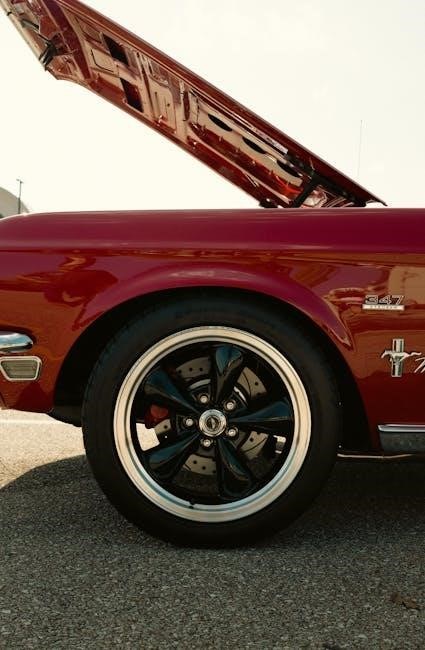
Year-Specific Considerations (1994-2023 Mustangs)
Release mechanisms and potential issues vary significantly across Mustang years; consulting year-specific guides is essential for successful manual convertible top operation.
Differences in Release Mechanisms by Year
Early model Mustangs (1994-2004) often featured a more straightforward, centrally located manual release, typically near the rear seat or in the trunk, primarily a lever or button to disengage the hydraulic pressure. Later generations (2005-2014) saw a shift, incorporating a latch handle positioned above the interior rearview mirror, requiring a specific downward and rotational movement.
The 2015-2023 Mustangs introduced further refinements, sometimes integrating the release into the latch mechanism itself, demanding precise manipulation. These changes necessitate understanding your specific model year. Some years might require a combination of releases – interior, rear seat, and potentially near the mirror – to fully disengage the system. Always consult a year-specific repair manual or online forum to confirm the correct procedure for your Mustang, avoiding potential damage to the top or its mechanisms.
Specific Issues Common to Certain Years
The 1994-1998 Mustangs are prone to hydraulic line corrosion, making manual release difficult due to pressure retention. 2005-2010 models frequently experience latch mechanism failures, requiring extra force and potentially damaging the latch handle near the mirror.
From 2011-2014, issues with the electric motor’s connection to the hydraulic pump are common, necessitating a complete disconnect before manual operation. Newer 2015-2023 Mustangs sometimes exhibit problems with the rear seat release cable becoming frayed or detached; Identifying these year-specific weaknesses allows for proactive troubleshooting. Always inspect components carefully before applying force, and consult online forums for reported issues related to your Mustang’s production year to avoid further complications during manual closure.

Resources for Further Assistance
Online Mustang forums and official Ford service manuals provide detailed diagrams and troubleshooting steps for manual convertible top operation and repair.
Online Forums and Communities
Numerous online Mustang enthusiast forums are invaluable resources when facing convertible top challenges. These communities boast experienced owners who’ve likely encountered – and solved – similar issues. Searching these forums with keywords like “manual convertible top,” “stuck top,” or your specific Mustang year can yield targeted advice and step-by-step guides, often accompanied by helpful photos or videos.
Members frequently share their experiences with release mechanisms, hydraulic problems, and latch difficulties. Don’t hesitate to post your specific situation; detailed responses and support are commonly offered. Popular forums include Mustang6G, Mustang7G, and various Facebook groups dedicated to Ford Mustangs. Remember to verify information from multiple sources before attempting any repairs.
Official Ford Service Manuals
For the most accurate and detailed instructions on manually closing your Mustang convertible top, consult the official Ford service manual specific to your vehicle’s year. These manuals provide diagrams illustrating the location of release levers, hydraulic system components, and latch mechanisms. They outline the precise procedure for disengaging the hydraulic pressure and safely folding the top.
While often available for purchase in physical or digital formats, accessing these manuals can sometimes require a subscription or one-time fee. The level of detail surpasses online forum advice, offering a comprehensive understanding of the system. Ford also provides online resources, but the service manuals remain the gold standard for repair information, ensuring correct and safe operation.

Long-Term Storage Considerations
Before extended storage, manually close the top to prevent stretching or damage to seals; ensure it’s clean and dry for optimal preservation.
Properly Preparing the Top for Extended Storage
Before committing your Mustang convertible to long-term storage, meticulous preparation is key to preventing damage and ensuring a smooth return to open-air driving. Begin by thoroughly cleaning the convertible top, removing all dirt, debris, and potential contaminants that could degrade the material over time.
Crucially, manually close the top securely. This prevents stretching of the fabric and maintains the integrity of the seals, guarding against moisture intrusion. Avoid storing the top in a fully closed position for excessively long periods, as this can also stress the seals. Consider placing a breathable cover over the closed top to shield it from dust and UV exposure.
Finally, lightly condition the top with a product specifically designed for convertible materials to keep it supple and prevent cracking. A well-prepared top will emerge from storage in excellent condition, ready for many more miles of enjoyment.
Avoiding Damage During Storage
Protecting your Mustang convertible top during extended storage requires proactive measures to prevent potential damage. Ensure the vehicle is stored in a dry, covered environment, shielded from harsh weather elements like rain, snow, and direct sunlight.
Critically, always store the convertible top in the closed position, having first manually verified its secure latching. This prevents stretching or sagging of the fabric and maintains the integrity of the hydraulic system. Avoid placing heavy objects on top of the convertible, as this can cause indentations or structural damage.
Regularly check for any signs of moisture buildup within the storage area and address them promptly. Consider using a dehumidifier to maintain optimal humidity levels. A little preventative care now will save you costly repairs later, ensuring your Mustang is ready to enjoy when you are.