Junior First Aid Badge Requirements: A Comprehensive Plan
This comprehensive plan details requirements for the Junior First Aid badge, offering resources like activity booklets and editable certificates for troop leaders.
Girl Scouts can learn essential life skills, preparing them to respond effectively during emergencies and assist those who are sick or injured.
Overview of the Junior First Aid Badge
The Junior First Aid badge empowers 4th and 5th grade Girl Scouts with crucial knowledge and skills to confidently address emergencies and provide initial care. This badge focuses on four key areas: understanding emergency response protocols, assembling a portable first aid kit, handling common urgent injuries, and recognizing symptoms of illness.
Resources like the eight-page pamphlet from Girl Scouts of Greater Chicago and Northwest Indiana, alongside the Leader Connecting Leaders activity booklet, provide structured guidance. These materials ensure a thorough understanding of first aid principles, preparing girls to be helpful and responsible members of their communities. The badge emphasizes practical application through role-playing and hands-on activities.
Badge Purpose and Grade Level
The primary purpose of the Junior First Aid badge is to equip Girl Scouts (grades 4-5) with foundational life-saving skills and the confidence to assist others in need. It aims to foster a sense of responsibility and preparedness for handling emergencies, promoting a proactive approach to safety.
This badge isn’t just about learning procedures; it’s about developing empathy and the ability to remain calm under pressure. Adaptations exist for younger girls (K-1st grade) with a “Safety Award” focusing on basic concepts, and for older Juniors (2nd-3rd grade) with more interactive first aid training. The badge’s resources, including pamphlets and booklets, cater to these varying developmental levels.
Core Requirements of the Badge
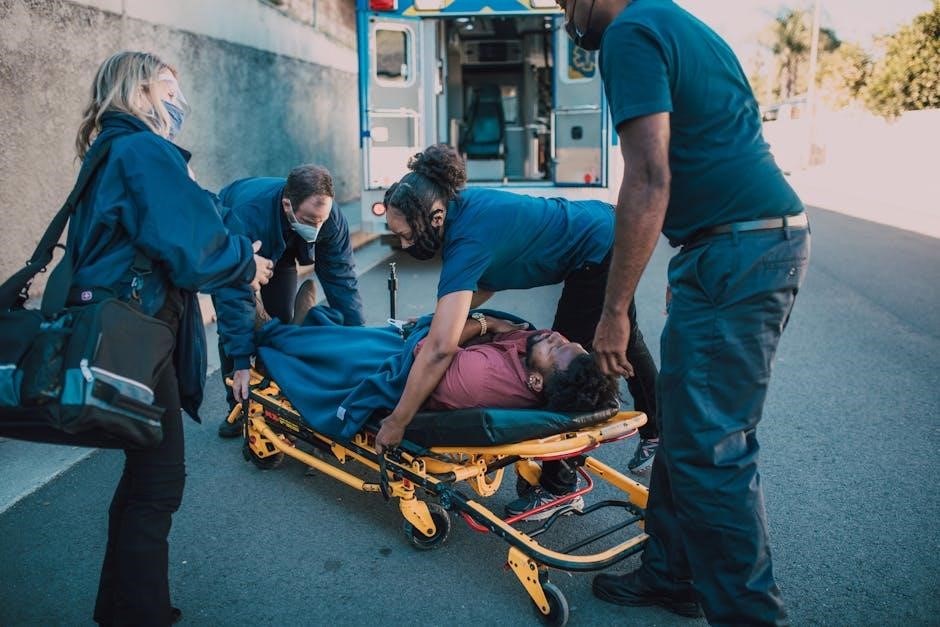
The Junior First Aid badge centers around four core requirements, designed to build a comprehensive understanding of emergency response and care. Firstly, girls must learn to effectively communicate with first responders, understanding what information to convey. Secondly, they’ll assemble a portable first-aid kit, identifying essential components.
Thirdly, the badge requires knowledge of handling urgent first-aid issues, like common injuries, and finally, understanding how to care for sick individuals, recognizing illness symptoms. Completing these steps empowers girls to confidently assist in various situations, fulfilling the badge’s objective of preparedness and helpfulness.
Step 1: Understanding Emergency Response
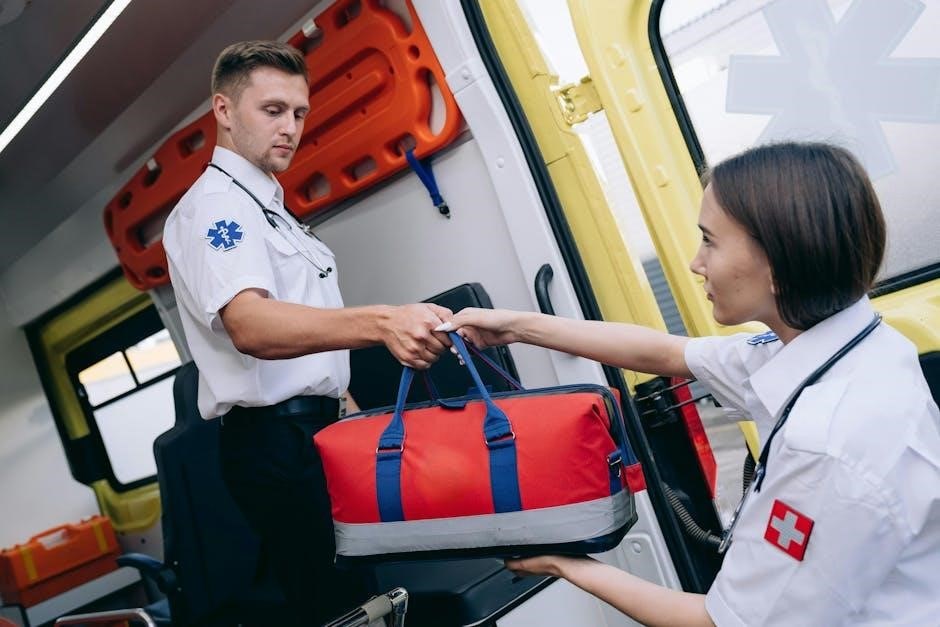
The initial step focuses on understanding how to react during an emergency. This involves learning the crucial skill of communicating effectively with first responders – knowing what details to share and remaining calm under pressure. Girls will practice articulating the situation clearly, providing vital information like location and the nature of the emergency.
This foundational step emphasizes the importance of seeking professional help and understanding the role of emergency services. It prepares them to be responsible and informed individuals, capable of initiating the appropriate response in critical situations, as outlined in the badge requirements.
Talking to First Responders
Effective communication with first responders is paramount in an emergency. Junior Girl Scouts will learn to clearly and concisely convey essential information, including the precise location, the nature of the incident, and the number of people involved. Practicing calm and accurate reporting is key, avoiding unnecessary details that could hinder the response.
Role-playing scenarios will help girls build confidence in these interactions. Understanding what questions responders might ask and preparing answers beforehand will empower them to be valuable sources of information, ultimately aiding in a swift and effective rescue.
Step 2: Building a First Aid Kit
A well-stocked first aid kit is crucial for responding to injuries and illnesses. Junior Girl Scouts will learn to assemble a portable kit containing essential supplies, understanding the purpose of each item. This hands-on activity fosters responsibility and preparedness. The kit should include bandages of various sizes, antiseptic wipes, gauze pads, adhesive tape, and scissors.
Girls will also learn about optional items like pain relievers (with adult permission), instant cold packs, and emergency blankets. Proper organization and regular checks to ensure supplies are not expired are also vital components of this step.
Components of a Portable First Aid Kit

A comprehensive portable first aid kit requires specific components for effective response. Essential items include assorted adhesive bandages, sterile gauze pads, antiseptic wipes for cleaning wounds, and adhesive tape to secure dressings. Scissors are vital for cutting tape and bandages, while disposable gloves protect both the responder and the injured person.
Consider adding a first aid guide for reference, and optional items like instant cold packs for sprains or bruises. Regularly check expiration dates and replenish used supplies to maintain kit readiness. Proper organization within a durable container is also key.
Step 3: Handling Urgent First Aid Issues
This step focuses on initial responses to common injuries, preparing Junior Girl Scouts for real-life scenarios. Learning to assess the situation and prioritize care is crucial. Key issues include cuts, scrapes, burns, and sprains. For minor cuts, cleaning with antiseptic wipes and applying a bandage is essential.
Burns require cool water application, while sprains benefit from rest, ice, compression, and elevation (RICE). Knowing when to seek professional help is paramount; serious injuries always warrant contacting emergency services.
Common Injuries and Initial Responses
Juniors will learn to address frequent injuries like cuts, scrapes, minor burns, and sprains. For scrapes, cleaning with soap and water, followed by a bandage, is vital. Minor burns necessitate immediate cooling under cool (not cold) running water for several minutes. Sprains require the RICE method – Rest, Ice, Compression, and Elevation – to minimize swelling and pain;
Recognizing when an injury requires professional medical attention is critical; serious wounds or suspected fractures demand immediate help. This step emphasizes calm assessment and appropriate initial care.
Step 4: Caring for Sick Individuals
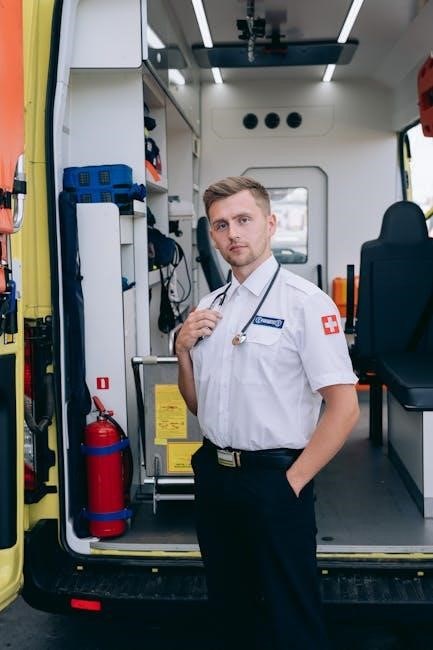
This step focuses on recognizing common illness symptoms, such as fever, cough, and upset stomach. Juniors will learn the importance of hygiene – handwashing and covering coughs – to prevent spreading germs. Understanding when someone needs to see a doctor is crucial; high fevers, difficulty breathing, or severe pain warrant medical attention.
Empathy and providing comfort to a sick person are also emphasized, alongside knowing basic self-care practices. The goal is to empower girls to be supportive and responsible caregivers.
Recognizing Illness Symptoms
Juniors will learn to identify key signs of common illnesses, including fever, chills, and persistent coughing. Recognizing symptoms like nausea, vomiting, and diarrhea is also vital, understanding these often require rest and hydration. The badge emphasizes observing changes in behavior – unusual tiredness or irritability – as indicators of sickness.
Girls will practice differentiating between minor ailments and situations needing professional medical help. Interactive games and activities will reinforce symptom identification skills, preparing them to respond appropriately.
Activity 1: Role-Playing Emergency Scenarios
This activity focuses on simulating real-life emergencies, allowing Juniors to practice their newly acquired first aid skills in a safe environment. Scenarios might include a minor cut, a sprained ankle, or someone feeling unwell. Girls will take turns being the “injured” person and the first responder, practicing how to calmly assess the situation and provide assistance.
Emphasis is placed on talking to first responders, learning what information to provide. Role-playing builds confidence and reinforces the importance of staying calm under pressure, preparing them for actual emergencies;
Simulating Real-Life Situations
Effective learning requires realistic practice, and this activity provides just that. Scenarios should mirror common incidents – a scraped knee on the playground, a sudden headache during a hike, or a minor burn in the kitchen. Girls will practice assessing injuries, providing basic care, and deciding when to seek help from adults or 911.
The goal is to build confidence and quick thinking. Utilizing props and encouraging detailed descriptions of what happened enhances the simulation’s realism, preparing them for unpredictable events.
Activity 2: First Aid Kit Assembly Workshop
This hands-on workshop fulfills a core badge requirement: building a portable first aid kit. Girls will learn the essential components – bandages of various sizes, antiseptic wipes, gauze pads, adhesive tape, and scissors – understanding the purpose of each item. Emphasis should be placed on organization and ensuring the kit is easily accessible in an emergency.
Discuss proper storage and regular kit checks to maintain supplies. This activity reinforces responsibility and preparedness, empowering them to create a valuable resource for themselves and others.
Hands-on Kit Creation
Following the workshop discussion, girls actively assemble their individual first aid kits. Utilizing provided materials – or items they bring from home – they practice organizing components efficiently. Leader Connecting Leaders offers activity booklets specifically designed to guide this process, ensuring all requirements are met. This practical experience solidifies their understanding of kit contents and their appropriate uses.
Encourage creativity in labeling and personalization, fostering a sense of ownership and responsibility. This tangible outcome empowers them to confidently respond to minor injuries and emergencies.
Activity 3: Interactive Illness Identification Game
This engaging game challenges girls to recognize common illness symptoms. Present scenarios – or use cards – describing various ailments, prompting them to identify potential illnesses and appropriate responses. Leader Connecting Leaders’ booklets provide a foundation for symptom recognition, aiding in accurate identification. Focus on observable signs like fever, cough, or rash, emphasizing the importance of seeking adult assistance.
Encourage discussion and teamwork, fostering a collaborative learning environment. This interactive approach reinforces knowledge and builds confidence in recognizing when someone needs medical attention.
Learning to Recognize Symptoms
A crucial component of first aid is accurately identifying illness symptoms. Girl Scout resources, like the Girl Scouts of Greater Chicago and Northwest Indiana pamphlet, detail common signs of illness. Focus on observable indicators – fever, persistent cough, unusual rashes, or complaints of pain – teaching girls what to look for.

Emphasize that they should never diagnose, but rather report symptoms to a trusted adult. Interactive activities, such as the illness identification game, reinforce this learning, building confidence and preparedness.
Badge Resources and Materials
Numerous resources support earning the Junior First Aid badge. Girl Scouts of Greater Chicago and Northwest Indiana offers an eight-page pamphlet, three-hole punched for easy binder inclusion, alongside a two-page Volunteer Guide. Leader Connecting Leaders provides both an activity booklet specifically designed to meet badge requirements and editable certificates for recognition.
These materials facilitate hands-on learning and streamline the process for troop leaders. Pamphlets and booklets offer step-by-step guidance, ensuring girls grasp essential first aid concepts effectively.

Pamphlets and Activity Booklets
Essential pamphlets and activity booklets are key resources for the Junior First Aid badge. Girl Scouts of Greater Chicago and Northwest Indiana provides an eight-page pamphlet detailing the badge’s steps, designed for easy use in a binder. Leader Connecting Leaders offers a dedicated activity booklet, fulfilling all badge requirements and suitable for Frontier Girl Scout leaders too.
These booklets prepare girls for real-life situations, offering structured learning experiences. They cover emergency responses, first aid kit creation, and recognizing illness symptoms, ensuring comprehensive preparation.
Adapting Activities for Different Age Groups
Tailoring activities to different age groups is crucial for effective learning. For Kindergarten and 1st Grade, a Safety Award introduces basic safety concepts in a fun, age-appropriate manner. First Aid activities for 2nd and 3rd Grade build upon foundational knowledge with interactive engagement.
Leader Connecting Leaders emphasizes this approach, recognizing that multi-age troops require differentiated programming. Adapting ensures all girls can participate meaningfully, fostering confidence and skill development relevant to their individual levels.

Safety Award (K-1st Grade)
The Safety Award, designed for Kindergarten and 1st Grade girls, introduces fundamental safety concepts. This introductory level focuses on building awareness of potential hazards and simple preventative measures. Leader Connecting Leaders highlights its age-appropriateness, ensuring activities are engaging and easily understood by younger learners.
It’s a stepping stone towards more advanced first aid skills, laying a foundation for future learning. The award emphasizes basic safety rules and encourages responsible behavior, promoting a safe environment for all;
First Aid (2nd-3rd Grade)
The First Aid program, tailored for 2nd and 3rd Grade girls, builds upon foundational knowledge. Leader Connecting Leaders emphasizes interactive activities designed to keep early elementary students engaged while learning crucial first aid skills. This level introduces more detailed responses to common injuries and illnesses.
Girls will learn to identify basic symptoms and understand the importance of seeking help. It’s a practical introduction to emergency preparedness, empowering them to assist others in need and promoting confidence in their abilities.
Volunteer Guide and Support
Girl Scouts of Greater Chicago and Northwest Indiana provides a dedicated two-page Volunteer Guide alongside the eight-page First Aid pamphlet. This resource assists troop leaders in effectively delivering the badge requirements, ensuring a smooth and informative experience for the Junior Girl Scouts.
The guide offers support and clarification, helping volunteers navigate the activities and address any questions that may arise. It’s designed to empower leaders to confidently guide their troops through the essential life skills covered in the First Aid badge program.
Resources for Troop Leaders
Leader Connecting Leaders offers a valuable Junior Girl Scout First Aid Activity Booklet, specifically designed to fulfill all badge requirements. This booklet is also adaptable for Frontier Girl Scout leaders or educators in homeschooling environments. It’s a comprehensive tool for preparing girls for real-life situations, covering emergency responses and basic first aid.
Furthermore, Leader Connecting Leaders provides editable certificates for recognizing girls’ achievements upon earning the badge. These resources streamline badge completion and offer a rewarding experience for both leaders and scouts.
Awarding the Badge

Recognizing the girls’ accomplishments is crucial! Leader Connecting Leaders provides editable certificates specifically designed for awarding Junior Girl Scouts after successfully earning the First Aid badge. These customizable certificates add a special touch to the recognition process, celebrating their new skills and preparedness.
Consider tailoring the award ceremony to reflect the badge’s focus on helping others. A small presentation demonstrating learned skills or a discussion about emergency preparedness can enhance the experience.
Editable Certificates and Recognition
Leader Connecting Leaders offers a valuable resource: editable certificates! These pre-designed templates simplify the process of formally recognizing Junior Girl Scouts for achieving the First Aid badge. Customization allows troop leaders to personalize each certificate with the scout’s name and date of completion, adding a special touch.
Beyond certificates, consider verbal praise and small tokens of appreciation. A badge ceremony or a troop newsletter feature highlighting their accomplishments further reinforces their learning and dedication to first aid preparedness.
Badge Updates and Revisions
As of December 22, 2025, the Junior First Aid badge requirements remain current, based on information from Girl Scouts of Greater Chicago and Northwest Indiana. However, badge content is periodically reviewed and updated to reflect best practices in first aid and emergency response.
Troop leaders should regularly check the official Girl Scouts website for any revisions to the requirements or supporting materials. Staying informed ensures scouts receive the most accurate and relevant training, preparing them effectively for real-life situations and promoting safety.
Current Information (as of 12/22/2025)
Today, December 22, 2025, the Junior First Aid badge focuses on equipping girls with essential skills to help others in emergencies. Resources include an eight-page pamphlet from Girl Scouts of Greater Chicago and Northwest Indiana, alongside a two-page volunteer guide.
The badge requirements encompass understanding emergency response, building a first aid kit, handling urgent issues, and caring for sick individuals. Leader Connecting Leaders offers editable certificates and activity booklets to support troop leaders in delivering this vital training effectively.
Future Considerations for Badge Content
Looking ahead, badge content could expand to include digital first aid resources, such as apps for identifying symptoms or contacting emergency services. Integrating scenarios involving common childhood illnesses and injuries, tailored to different age groups (K-1st and 2nd-3rd grade), would enhance preparedness.
Further development might involve partnerships with local emergency medical services for hands-on training. Updating the pamphlet regularly to reflect current best practices and incorporating feedback from troop leaders will ensure continued relevance and effectiveness of the Junior First Aid badge.