Article Plan: Ball Fruit Fresh Instructions
This guide details crafting Ball Fruit Fresh, from seed ball creation using fruit pulp to global market trends and diverse cultural applications.
Explore recipes, safety precautions, and preservation techniques for enjoying homemade delights throughout the year, inspired by traditional and modern approaches.
Ball Fruit Fresh represents a time-honored tradition of preserving the bounty of seasonal fruits, transforming them into delectable spreads and treats. This method, utilizing pectin, sugar, and fruit, extends the enjoyment of summer’s flavors well into the colder months.
Historically, fruit preservation was crucial for sustenance, and Ball Fruit Fresh offers a modern, accessible approach to this age-old practice. Beyond simple preservation, it allows for creative flavor combinations, like incorporating sherry extract or Grand Marnier, elevating the final product.

From seed ball creation with leftover pulp to exploring global market trends, Ball Fruit Fresh is a versatile and rewarding culinary endeavor.
What is Ball Fruit Fresh?
Ball Fruit Fresh is a powdered pectin blend specifically designed for creating fruit spreads with a vibrant, fresh fruit flavor. Unlike traditional jams requiring lengthy cooking times, this product allows for quicker preparation while maintaining excellent gel strength and clarity.
It’s a convenient solution for preserving fruits like strawberries, plums, and dates, offering a consistent result regardless of the fruit’s natural pectin content. The mixture, combined with sugar and liquid, transforms fruit into a delightful preserve, perfect for spreading or incorporating into baked goods.
Notably, it’s also utilized in innovative ways, such as forming seed balls from fruit pulp!
Historical Context of Fruit Preservation
Fruit preservation is an ancient practice, predating refrigeration by millennia. Early methods involved drying, salting, and preserving in honey – techniques employed by civilizations like the Egyptians and Romans. These methods were crucial for surviving lean seasons and facilitating trade.
The advent of canning in the 19th century, spurred by Napoleon’s need to feed his armies, revolutionized food preservation. Pectin’s role in jam-making was understood, but consistency remained a challenge.
Ball Corporation’s introduction of standardized pectin blends, like Fruit Fresh, simplified the process, bringing reliable home canning to a wider audience.
Ingredients Required for Ball Fruit Fresh
Ball Fruit Fresh itself is a blend of pectin, citric acid, and sometimes ascorbic acid (Vitamin C). This mixture is vital for achieving a proper gel in jams, jellies, and preserves.
Beyond the Fruit Fresh, you’ll need ripe, high-quality fruit – strawberries, plums, or dates are excellent choices. Sugar is essential, with granulated, caster, or even honey options available, each impacting flavor and texture.
Optional flavor enhancers include sherry extract or Grand Marnier, adding complexity. Precise measurements are key for successful preservation.
Fruit Selection: Best Choices
For optimal Ball Fruit Fresh results, prioritize fruits naturally high in pectin or those that pair well with added pectin. Strawberries, while beloved, are lower in pectin, benefiting from the Fruit Fresh blend.
Plums and dates, mentioned in recipes, offer richer flavors and can create delightful preserves. Consider seasonal availability for peak freshness and flavor.
Firm, slightly underripe fruit generally yields better results than overly ripe produce, ensuring a good set. Experiment with combinations to discover unique flavor profiles!
Sugar Types and Their Impact
Granulated sugar is traditionally used in Ball Fruit Fresh recipes, providing sweetness and aiding in the gelling process alongside pectin. Caster sugar, finer in texture, is ideal for creating seed balls, ensuring a smooth consistency when combined with fruit pulp and flavorings like Grand Marnier.
The sugar content directly influences the final texture and preservation quality. Reducing sugar can affect the set, potentially leading to a softer preserve.
Experimentation is possible, but maintaining a balanced ratio is crucial for safety and optimal results.
Pectin: Understanding its Role
Pectin is a naturally occurring substance found in fruits, essential for achieving the desired gelled consistency in Ball Fruit Fresh. Its effectiveness depends on the fruit’s natural pectin levels; lower-pectin fruits like strawberries often require added pectin for a firm set.
Commercial pectin comes in powdered or liquid forms, each with specific usage instructions. Proper pectin activation relies on sufficient acid and sugar, creating a stable gel structure.
Understanding pectin’s chemistry is key to successful preservation, ensuring a safe and delicious final product.
Equipment Needed
Successful Ball Fruit Fresh preparation requires specific tools. A canning pot with a rack is crucial for safely processing jars in boiling water, ensuring proper heat distribution and preventing breakage. Canning jars, available in various sizes, must be in perfect condition – no chips or cracks!
Essential tools include a jar lifter for safe handling of hot jars, a wide-mouth funnel for clean filling, and a non-metallic spatula to remove air bubbles. A kitchen scale ensures accurate ingredient measurements, vital for consistent results.
Canning Jars: Preparation and Sterilization
Proper jar preparation is paramount for safe canning. Begin by thoroughly washing jars in hot, soapy water, then rinsing completely. Sterilization is key: place clean jars on the rack inside the canning pot, cover with water, and bring to a boil for 10 minutes (adjust for altitude – see processing times).
Keep jars hot until filling. Inspect for any chips or cracks; discard damaged jars. Lids should be treated according to manufacturer’s instructions – typically simmering in hot water, not boiling, to soften the sealing compound.
Canning Pot and Rack
A dedicated canning pot is essential for safe and effective fruit preservation. These pots are deep enough to fully submerge jars in boiling water, ensuring proper heat penetration. Crucially, use a rack within the pot to prevent jars from direct contact with the bottom, which could cause breakage or uneven processing.
Racks also facilitate easy jar removal; Pots are typically made of enameled steel or stainless steel. Ensure the pot has a tight-fitting lid to maintain consistent temperature. The pot’s size should accommodate the number and size of jars you intend to process simultaneously.
Other Essential Tools
Beyond the pot and jars, several tools streamline the Ball Fruit Fresh process. A jar lifter is indispensable for safely lifting hot jars from the boiling water. A wide-mouth funnel helps fill jars neatly, minimizing spills. Bubble remover/headspace tool eliminates trapped air and ensures correct headspace.
Magnetic lid lifter hygienically retrieves sterilized lids. Measuring cups and spoons are vital for accurate ingredient proportions. Clean kitchen towels are needed for wiping jar rims. Finally, a timer is crucial for precise processing times, guaranteeing food safety and quality.
Step-by-Step Instructions: Making Ball Fruit Fresh
Begin by preparing your chosen fruit, washing, peeling, and chopping it as needed. Next, create the mixture: combine sugar, pectin, and liquid (water or juice) in a saucepan. Heat gently, stirring constantly, until the pectin dissolves. Carefully combine the prepared fruit with the warm pectin mixture, ensuring the fruit is evenly coated.
Bring the mixture to a rolling boil, stirring frequently to prevent sticking. Continue boiling for the time specified in your recipe, then remove from heat. This foundational step sets the stage for safe and delicious preserved fruit.
Preparing the Fruit
Fruit selection is paramount; choose ripe, but firm, specimens for optimal texture and flavor. Thoroughly wash all fruit under cool, running water to remove any dirt or residue. Peel fruits like peaches or plums, if desired, and remove any blemishes or bruised areas.
Chop larger fruits into uniform pieces, ensuring even cooking and a consistent final product. For berries, gently remove stems and inspect for mold. Proper fruit preparation is crucial for achieving a high-quality Ball Fruit Fresh, maximizing both taste and preservation success.
Creating the Mixture (Sugar, Pectin, Liquid)
Begin by combining the sugar and pectin in a saucepan. Pectin’s role is vital for achieving the desired gel consistency. Gradually add the liquid – water or fruit juice – while stirring constantly to prevent clumping; Heat the mixture over medium heat, stirring continuously until the pectin is fully dissolved.
Avoid boiling at this stage; the goal is simply dissolution. Sugar type impacts the final product, with caster sugar often preferred for its fine texture. Sherry extract or Grand Marnier can be added now, enhancing flavor, but use sparingly.
Combining Fruit and Mixture
Gently fold the prepared fruit into the warm pectin-sugar mixture. Ensure the fruit is evenly coated, but avoid overmixing, which can bruise delicate pieces. For seed ball creation, utilize fruit pulp at this stage, incorporating it thoroughly. If using dried fruits like plums or dates, ensure they are well-distributed throughout the mixture.
Taste-test and adjust sweetness if needed, remembering that the flavor will intensify during canning. A touch of sherry extract or Grand Marnier can be added now for a nuanced flavor profile. Proceed immediately to the canning process for optimal results.
Canning Process: Ensuring Safety
Prioritize safety during canning to prevent spoilage and ensure a shelf-stable product. Fill sterilized jars, leaving appropriate headspace – typically ¼ inch. Remove air bubbles using a non-metallic spatula, adjusting liquid levels as needed. Wipe jar rims clean before applying lids and rings, tightening to fingertip-tight.
Process jars in a boiling water bath according to altitude-adjusted times. Consult reliable canning guides for specific durations. After processing, let jars cool undisturbed for 12-24 hours, listening for the “pop” indicating a proper seal.
Filling Jars and Removing Air Bubbles
Carefully ladle the hot fruit mixture into the prepared, sterilized canning jars, maintaining the recommended headspace – usually ¼ inch from the jar rim. Avoid overfilling, as this can compromise the seal. Gently insert a non-metallic spatula or bubble remover down the sides of the jar to release trapped air bubbles.
Repeat this process around the jar’s perimeter. Adjust the liquid level if necessary after bubble removal, ensuring consistent headspace. Wipe the jar rims thoroughly with a clean, damp cloth to remove any residue before applying lids and rings.
Processing Time Based on Altitude
Processing time is crucial for safe canning and varies with altitude. Lower altitudes (0-1,000 feet) require shorter processing times, while higher altitudes necessitate longer durations to achieve adequate heat penetration. Consult reliable canning resources, like the Ball Blue Book, for specific time recommendations based on your elevation.
Generally, add 5 minutes to the processing time for 1,001-3,000 feet, 10 minutes for 3,001-6,000 feet, and 15 minutes for above 6,000 feet. Accurate altitude determination is vital for food safety.
Cooling and Sealing Jars
After processing, carefully remove jars from the canning pot and place them on a towel-lined surface, avoiding drafts. Allow jars to cool undisturbed for 12-24 hours. Do not tighten the bands during cooling, as this can interfere with the sealing process.
A proper seal is indicated by a concave lid that doesn’t flex when pressed. Unsealed jars must be refrigerated and consumed promptly or reprocessed with new lids. Proper cooling and sealing are essential for long-term preservation and food safety.
Variations and Recipes
Elevate your Ball Fruit Fresh with delightful additions! Sherry extract or Grand Marnier, starting with ¼ teaspoon, adds nuanced flavor – adjust to taste. For a non-alcoholic twist, solely utilize sherry extract. Explore fruit combinations beyond the traditional; consider plum and date pairings for a rich, decadent treat.
These mixtures beautifully complement stewed dried plums (prunes) and Medjool dates, creating a sophisticated dessert. Experiment with spices like cinnamon or nutmeg for added warmth. Remember to adjust sugar levels based on fruit sweetness.
Using Sherry Extract or Grand Marnier
Enhance your Ball Fruit Fresh with a touch of sophistication using either sherry extract or Grand Marnier. Begin with a modest ¼ teaspoon of your chosen liquid, carefully incorporating it into the mixture. Taste frequently, adding increments of just one teaspoon at a time to avoid overpowering the fruit’s natural flavors.
For those preferring a non-alcoholic option, sherry extract provides a similar aromatic complexity. Grand Marnier lends a citrusy depth, particularly well-suited to stone fruits. Adjust the quantity based on personal preference and the specific fruit used.
Fruit Combinations: Exploring Flavors
Ball Fruit Fresh truly shines with creative fruit pairings. Consider combining strawberries – Britain’s iconic summer berry – even during winter months for a vibrant twist. Plums and Medjool dates, stewed and topped with the mixture, offer a rich, decadent treat. Experiment with stone fruits like peaches and apricots for a summery essence.
Don’t limit yourself! Explore combinations like apple and cinnamon, or pear and ginger. Czech fruit dumplings (ovocné knedlíky) inspire using creamy ricotta alongside fruit. Balance sweetness and tartness for a harmonious flavor profile.
Seed Ball Creation with Fruit Pulp
Utilize leftover fruit pulp from Ball Fruit Fresh preparation for an eco-friendly project: seed balls! Combine spoonfuls of the fruit mixture with your hands, adding Grand Marnier or sherry extract (a teaspoon at a time) if the consistency is too dry. Roll the mixture into small, compact balls.
Coat the balls in caster sugar for preservation and to deter pests. Inspired by campaigns like those initiated by teachers, these seed balls can be distributed to promote plant growth. This repurposing minimizes waste and contributes to environmental sustainability, offering a delightful use for fruit remnants.
Market Trends in Fruit Preparation (Global)
The global fruit preparation market is experiencing significant growth, as reported by Fact.MR in December 2024. Demand for convenient, ready-to-use fruit products is rising, driven by changing consumer lifestyles and a focus on health and wellness. This trend impacts Ball Fruit Fresh, as consumers seek both traditional methods and pre-prepared options.
Seasonal fruit availability and regional preferences influence market dynamics. Strawberries, despite being a summer staple in Britain, are increasingly incorporated into winter recipes. Festive seasons boost demand for traditional sweets and namkeens featuring fruit, highlighting cultural influences on consumption patterns.
Nutritional Benefits of Preserved Fruit
Preserving fruit, like in Ball Fruit Fresh, retains many of the original fruit’s vitamins and minerals, though some heat-sensitive nutrients may diminish during processing. Fruits naturally provide essential vitamins, antioxidants, and fiber, contributing to overall health. Stewed plums and dates, for example, offer potassium and fiber, aiding digestion.
While sugar is a key ingredient, mindful sugar usage and fruit selection can maximize nutritional value. Homemade preparations allow control over ingredients, unlike commercially processed options. Enjoying preserved fruit in moderation contributes to a balanced diet, offering a flavorful and potentially healthful treat.
Troubleshooting Common Issues
A common issue is improper jar sealing; ensure lids are correctly applied and jars are processed for the recommended time, adjusted for altitude. If the mixture is too dry for seed ball creation, cautiously add Grand Marnier or sherry extract, a teaspoon at a time. Cloudy liquid can indicate insufficient pectin or fruit acidity – adjust accordingly.
Mold growth signals a failed seal; discard the affected jar. Syrupy results may stem from excessive sugar. Always follow instructions carefully and prioritize safety to avoid spoilage. Proper sterilization and processing are crucial for successful preservation.
Storage Guidelines for Ball Fruit Fresh
Properly canned Ball Fruit Fresh boasts a shelf life of at least one year, ideally stored in a cool, dark, and dry pantry. Avoid direct sunlight and temperature fluctuations, which can compromise the seal and quality. Inspect jars before use; discard any with dents, rust, or bulging lids.
Once opened, refrigerate remaining fruit and consume within a few days. Seed balls, if made, should be stored in an airtight container at room temperature, used within a week for optimal freshness. Label jars with the date of canning for easy tracking.
Safety Precautions During Canning
Always inspect canning jars for cracks or chips before use, discarding any damaged ones. Sterilize jars and lids thoroughly to eliminate bacteria. Use a canning pot with a rack to ensure proper heat circulation and prevent breakage. Handle hot jars carefully using jar lifters and protective gear.
Never alter processing times or recipes, as this can compromise safety. Ensure a proper seal after processing; lids should be concave and not flex when pressed. If a seal fails, refrigerate and consume promptly or reprocess with a new lid.
Ball Fruit Fresh in Different Cultures
Across cultures, fruit preservation techniques vary greatly. Czech traditions feature ovocné knedlíky, creamy ricotta dumplings with fruit, showcasing a unique approach. In festive seasons globally, sharing homemade sweets is common, reflecting cultural bonds.
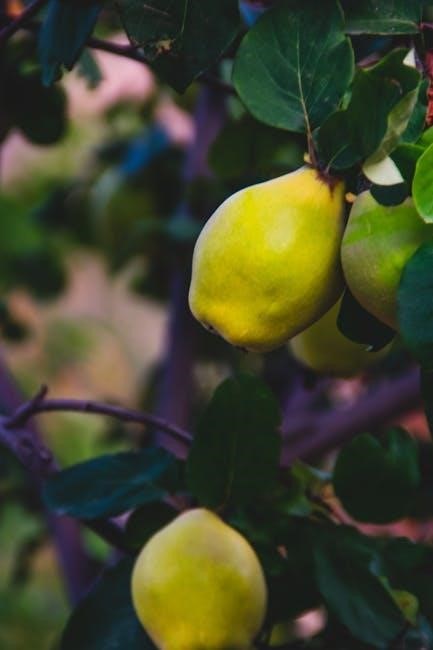
Spain utilizes membrillo, a quince paste, demonstrating a long history of fruit preservation. The Middle East employs fruit leather and jams, while Asian cultures often create candied fruits. Ball Fruit Fresh adapts to these traditions, offering a versatile base for culturally inspired flavor combinations and presentations.
Seasonal Fruit Availability and Usage
Utilizing seasonal fruits maximizes flavor and freshness in Ball Fruit Fresh. Strawberries, iconic in British summers, can be preserved for winter enjoyment. Autumn offers apples and pears, ideal for creating rich, spiced mixtures. Spring brings rhubarb and early berries, lending a tartness to the preserve.
Consider local availability; sourcing fruits in season reduces costs and supports regional agriculture. Planning around peak seasons ensures the best quality and allows for diverse flavor profiles throughout the year, enhancing the versatility of your homemade Ball Fruit Fresh.
Alternative Preservation Methods
Beyond Ball Fruit Fresh, several methods extend fruit’s lifespan. Freezing retains nutrients but alters texture. Dehydrating creates fruit leather or dried pieces, concentrating sweetness. Traditional jam-making, using high sugar content, offers another option, though differing from the Fruit Fresh technique.
Fermentation, like making fruit chutneys, introduces unique flavors and probiotic benefits. Each method impacts the final product differently; consider desired texture, taste, and storage requirements when choosing an alternative to Ball’s preservation system.
Recipe for Stewed Dried Plums/Dates with Mixture
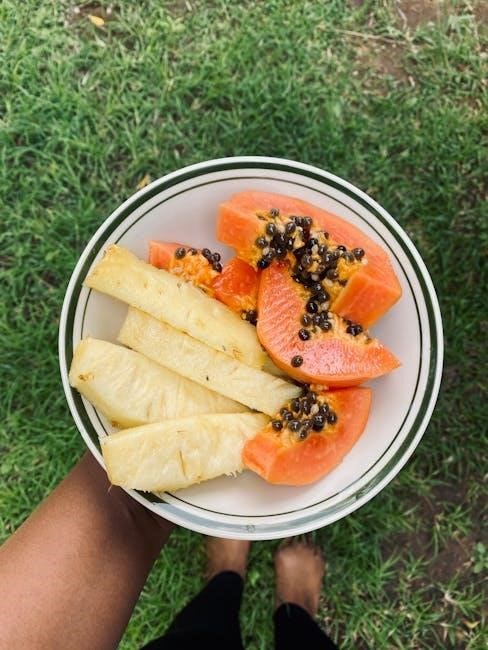
This recipe elevates dried fruits with Ball Fruit Fresh flavors. Combine 1 lb pitted dried plums (prunes) or Medjool dates with 1 cup water and ½ cup sherry extract (or Grand Marnier for a bolder taste). Simmer gently for 30 minutes, until softened.
Stir in 2-3 spoonfuls of prepared Ball Fruit Fresh mixture, adjusting to desired sweetness and consistency. Continue simmering for 10 minutes, allowing flavors to meld. Serve warm or chilled – a delightful treat or accompaniment to desserts!
Enjoying Your Homemade Ball Fruit Fresh
Creating Ball Fruit Fresh is a rewarding experience, connecting you to generations of preserving traditions. From seed balls to elegant stewed fruits, the possibilities are endless. Savor the unique flavors and the satisfaction of crafting something delicious and wholesome from seasonal produce.
Share your creations with loved ones, embracing the spirit of festive giving. Remember safety precautions for long-term storage, ensuring your homemade goodness lasts. Enjoy the fruits – literally – of your labor!